Backyards have become more than just outdoor spaces for gardening or lawn maintenance. In modern homes, the backyard often serves as an extension of the living space where families relax, entertain guests, and spend quality time outdoors. Whether hosting a barbecue, celebrating special occasions, or simply enjoying a quiet evening outside, a well-designed backyard can greatly enhance a home’s lifestyle.
However, maintaining a traditional natural grass lawn in an entertainment area can be challenging. Heavy foot traffic, furniture placement, and weather conditions can quickly damage natural grass and create muddy or uneven surfaces.
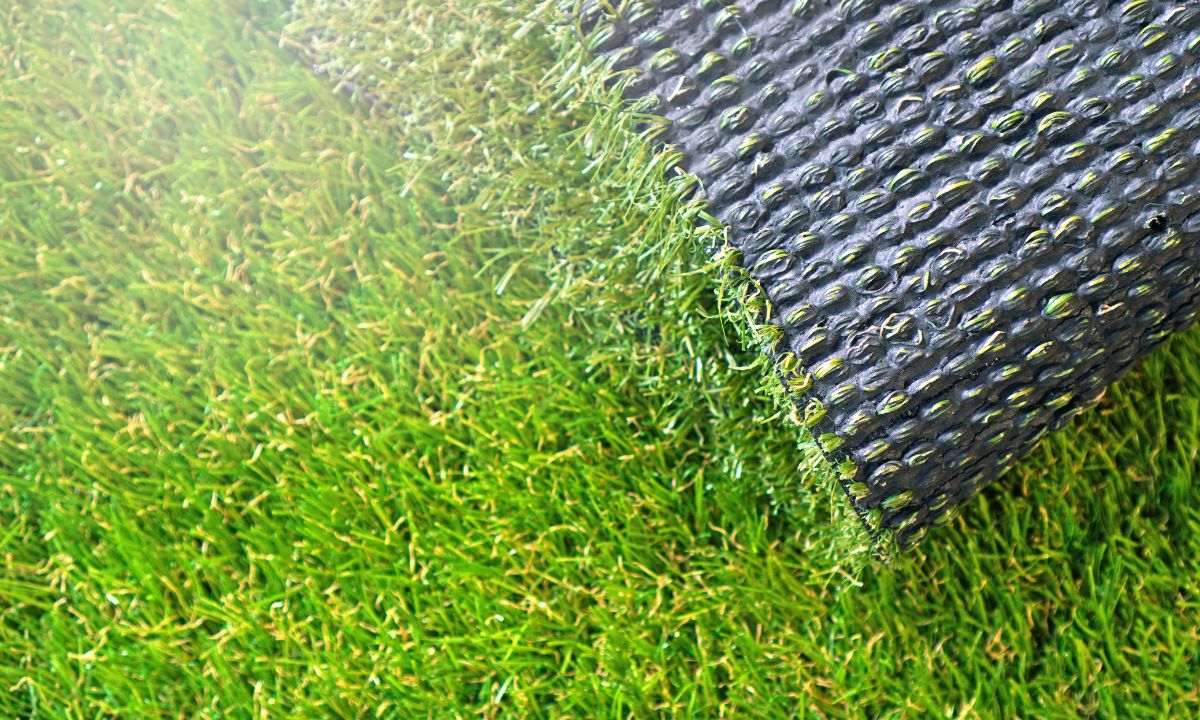
This is one reason why many homeowners are choosing artificial turf for their backyard entertainment areas. Synthetic grass provides a clean, durable, and low-maintenance surface that helps create an attractive and functional outdoor environment.
Creating a Comfortable Outdoor Space
One of the main goals of a backyard entertainment area is to create a comfortable place where people can gather and relax. Natural grass can sometimes become uneven, muddy, or patchy, especially when many people are using the space at the same time.
Artificial turf offers a soft and even surface that is comfortable for walking, sitting, or standing for extended periods. Guests can move around freely without worrying about stepping into muddy patches or uneven ground.
This makes synthetic grass an excellent option for outdoor gatherings, family activities, and social events.
Handling Heavy Foot Traffic
Backyard entertainment spaces often experience frequent use. When guests walk across the lawn, children play, or furniture is moved around, natural grass can quickly become damaged.
Heavy foot traffic may lead to worn-out areas where grass struggles to grow back. Over time, these patches can make the lawn look unattractive and difficult to maintain.
Artificial turf is designed to withstand frequent use without losing its shape or appearance. The durable fibers remain upright even in high-traffic areas, ensuring that the lawn continues to look fresh and green.
Because of its durability, artificial grass works well for spaces where people regularly gather or move around.
A Cleaner Environment for Guests
Natural grass lawns can sometimes create messy conditions during outdoor events. Rain or excessive watering may cause the ground to become muddy, which can lead to dirt being tracked into the house.
Artificial turf eliminates this issue by providing a clean and dry surface. Because the turf is installed over a proper drainage system, water flows through the surface instead of creating puddles or mud.
This allows homeowners to host outdoor events without worrying about dirty shoes or muddy footprints.
A clean environment also makes the backyard more inviting and comfortable for guests.
Low Maintenance for Busy Homeowners
Maintaining a natural lawn requires regular mowing, watering, fertilizing, and weed control. These tasks can become time-consuming, especially for homeowners who frequently use their backyard for entertainment.
Artificial turf significantly reduces these maintenance requirements. Once installed, the grass does not grow, which means there is no need for mowing or trimming.
The lawn also does not require irrigation systems or chemical treatments to stay green. Occasional brushing and light cleaning are usually enough to maintain the turf’s appearance.
This low-maintenance feature allows homeowners to spend more time enjoying their outdoor space rather than maintaining it.
Enhancing the Visual Appeal of the Backyard
A well-designed backyard entertainment area should be visually appealing as well as functional. Artificial turf contributes to the overall aesthetics by providing a lush green surface that complements other landscape features.
Synthetic grass works well with various backyard elements, such as:
- Outdoor seating areas
- Fire pits
- Pergolas or shade structures
- Garden pathways
- Decorative lighting
Because artificial turf maintains a consistent color and texture throughout the year, it helps create a polished and attractive outdoor environment.
This consistent appearance makes the backyard look well maintained and inviting for gatherings.
Perfect for Outdoor Activities
Backyard entertainment areas are often used for more than just social gatherings. Families may also use the space for games, relaxation, or casual activities.
Artificial turf provides a stable and comfortable surface for activities such as:
- Playing with children
- Practicing sports or outdoor games
- Yoga or fitness exercises
- Relaxing on outdoor furniture
Unlike natural grass, artificial turf does not develop uneven areas or holes that could interfere with these activities.
Its durability ensures that the lawn remains usable and attractive even with regular use.
Water Conservation Benefits
In many regions, water conservation has become an important consideration for homeowners. Natural grass lawns require regular watering to maintain their green appearance, which can significantly increase water usage.
Artificial turf eliminates the need for lawn irrigation, helping homeowners reduce their overall water consumption.
This can also lead to lower water bills over time, making artificial grass a cost-effective landscaping solution.
By choosing synthetic turf, homeowners can maintain a beautiful backyard while supporting environmentally responsible landscaping practices.
Long-Lasting Performance
Artificial turf is designed to be durable and long lasting. High-quality synthetic grass can maintain its appearance for many years with minimal maintenance.
The materials used in artificial turf are resistant to weather, sunlight, and everyday use. This durability makes it suitable for backyard spaces that experience regular activity.
Because the turf maintains its structure and color over time, homeowners can enjoy a reliable and attractive outdoor surface for years to come.
Designing the Ideal Backyard Entertainment Area
Artificial turf allows homeowners to design flexible and creative outdoor spaces. It can be used to connect different areas of the backyard and create a smooth transition between features such as patios, seating areas, and gardens.
Many homeowners choose to combine artificial grass with stone walkways, decorative plants, or outdoor furniture to create a balanced and functional design.
This combination of elements helps transform the backyard into a comfortable environment for both everyday use and special events.
Enjoying a Beautiful and Functional Outdoor Space
Backyard entertainment areas should be enjoyable, practical, and easy to maintain. Artificial turf offers a solution that combines durability, cleanliness, and visual appeal.
By eliminating many of the challenges associated with natural grass, synthetic turf helps homeowners create an outdoor space that remains attractive and functional throughout the year.
Whether hosting gatherings, relaxing with family, or simply enjoying the outdoors, artificial turf provides a reliable surface that enhances the backyard experience.
Frequently Asked Questions
Is artificial turf good for outdoor gatherings?
Yes. Artificial turf provides a clean, even surface that works well for social gatherings and outdoor events.
Can outdoor furniture be placed on artificial grass?
Yes. Artificial turf is strong enough to support outdoor furniture such as chairs, tables, and lounge sets.
Does artificial turf get muddy after rain?
No. Artificial turf includes drainage layers that allow water to pass through, preventing muddy conditions.
Is artificial grass safe for children playing in the backyard?
Yes. High-quality artificial turf provides a soft and durable surface that is suitable for children’s play areas.
How long does artificial turf last in backyard spaces?
Most artificial turf products last 15 to 20 years with proper installation and minimal maintenance.

Lorem ipsum dolor sit amet, consectetur adipiscing elit, sed do eiusmod tempor incididunt ut labore et dolore magna aliqua…