
-
6258 Penfield Ave, Woodland Hills, CA 91367
6258 Penfield Ave, Woodland Hills, CA 91367

Your yard has a big impact on how your home looks, how comfortable it feels and even what it’s worth. A well-planned yard boosts curb appeal and gives you a place to relax. But a lot of homeowners accidentally make choices that lead to more maintenance, more spending and a yard that’s harder to use.
Most of these mistakes happen when planning gets rushed, or when people stick with traditional landscaping that doesn’t really fit their climate or lifestyle. The good news is that modern landscaping solutions like artificial turf can fix a lot of them.
Here are the most common landscaping mistakes we see, and how to avoid them so your yard stays good-looking and useful for years.
This is the big one. A natural lawn needs regular watering, mowing, fertilizing and pest control to stay healthy.
For busy people, keeping up with all that gets old fast, and it isn’t cheap. Skip a few weeks and you’ll start seeing patchy spots, weeds and discoloration.
Artificial turf takes almost all of that off your plate. Once it’s in, it stays green without mowing, watering or fertilizing.
Lots of people pick landscaping that just doesn’t suit where they live. In places with hot summers and droughts (hello, California), natural grass has a hard time surviving without constant watering.
A lawn that depends on heavy watering gets expensive, especially when water rates go up or restrictions kick in.
Artificial turf works in pretty much any climate because it doesn’t rely on soil or rain. It stays green all year, whatever the temperature. Here’s more on how turf performs in California summers.
Drainage gets overlooked all the time. Without it, rain collects in low spots and you end up with puddles and mud.
Bad drainage can kill plants, break down your soil and make the yard pretty much unusable after a storm.
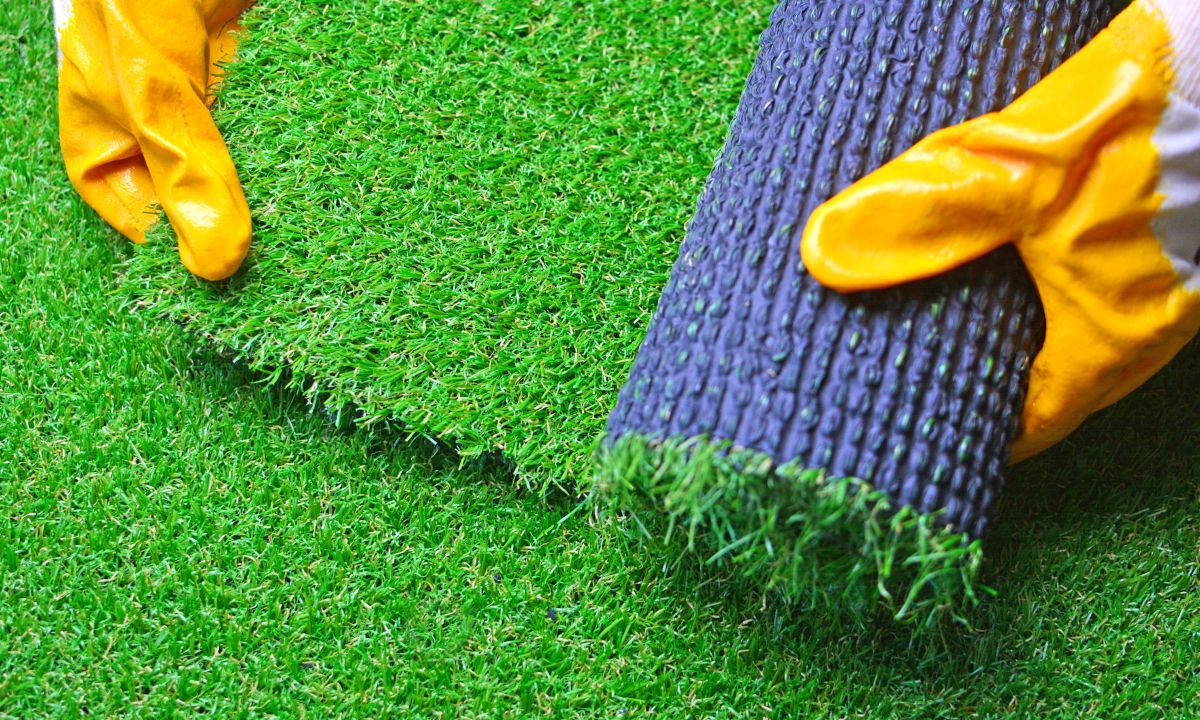
Turf systems are usually installed with drainage layers that let water pass through quickly, so you don’t get standing water and the yard is ready to use soon after rain. Want to know how that works? Here’s a guide to artificial turf layers.
It’s tempting to fill every corner with plants and decor. Greenery is great, but too much of it makes a yard look cluttered and means a lot more upkeep.
Overcrowded plants also fight each other for sun, water and nutrients, which isn’t good for any of them.
Adding a turf area helps balance things out. A clean green lawn gives your plants some breathing room, adds contrast and cuts down on maintenance.
Some yards look nice but just aren’t practical. Big plant beds or uneven ground leave you with nowhere to actually hang out, play or host.
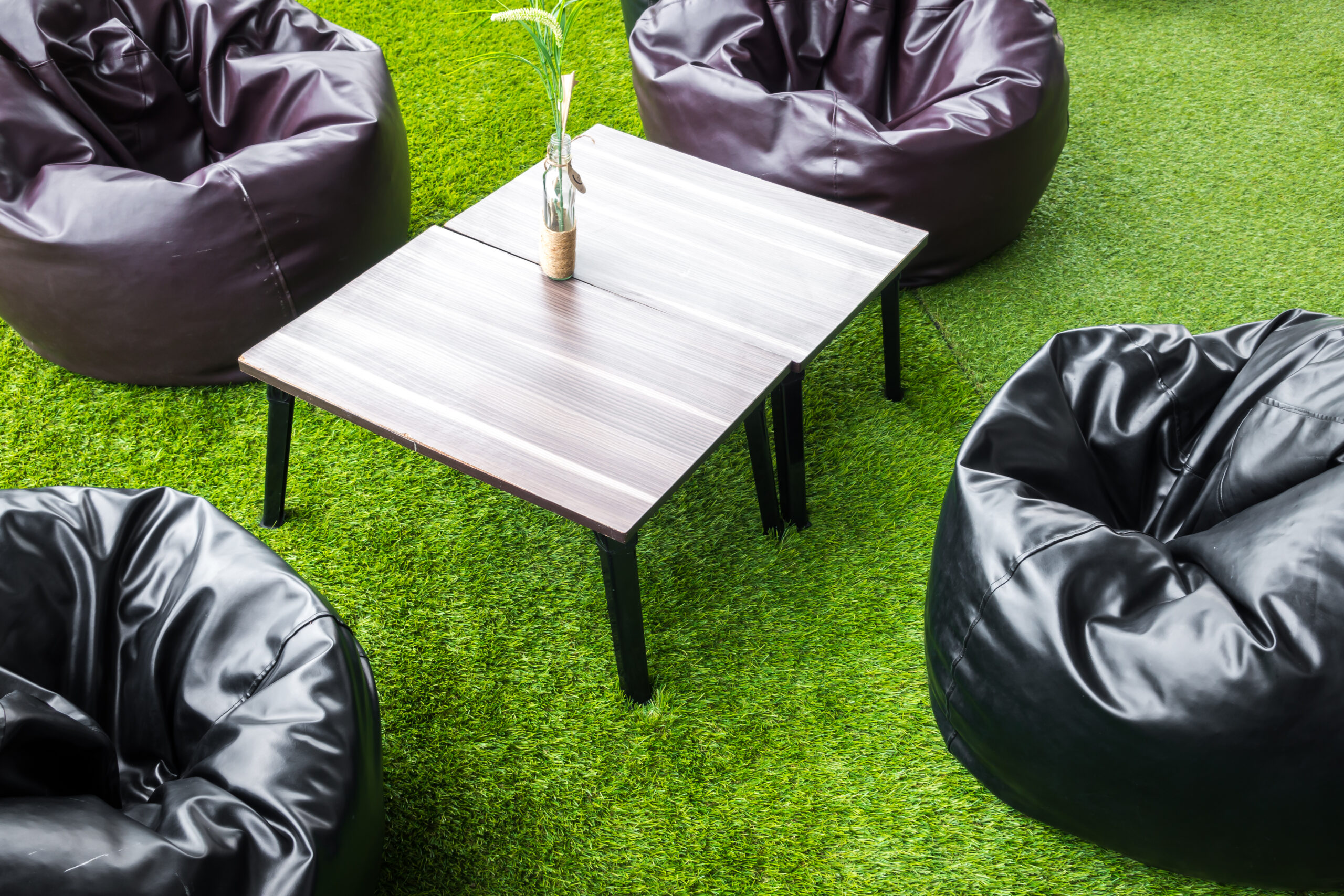
Turf helps create usable space that’s comfortable for walking, playing and entertaining. It stays even and clean, so it’s great for outdoor living. (If you love hosting, check out our backyard entertainment areas guide.)
Lots of lawns end up with worn paths where people walk most. Natural grass can’t always bounce back, so those spots turn bare or muddy.
Over time, the whole yard starts to look uneven and tired.
Turf is made to handle heavy use. It keeps its shape even where people walk all the time, which is perfect for busy households.
Natural lawns often need fertilizers, pesticides and weed killers. They might help for a while, but they cost money and put chemicals into your yard and the environment.
Turf doesn’t need any of that. It doesn’t grow weeds and doesn’t attract most common lawn pests, so your yard ends up a lot cleaner.
When planning a yard, many people only look at the upfront install cost. But landscaping keeps costing you: water, equipment, fertilizer and maintenance services.
Add all that up over the years and it can easily beat what you paid to put the lawn in.
Turf costs more upfront, but it usually saves you a lot over time. No irrigation and no regular lawn care means you save both time and money over its lifespan. For real numbers, see our artificial turf cost guide.
Avoid these mistakes and you’re well on your way to a yard that looks great and actually works for you.
Turf is a great anchor for a modern landscape. It gives you a tough, low-maintenance lawn area that pairs nicely with gardens, patios and walkways.
Combine some smart planning with efficient landscaping solutions, and you’ll have an outdoor space that stays beautiful and functional for years.
Putting in a high-maintenance lawn without thinking about how much time and money it’ll take to look after.
Yes. Turf is installed with drainage layers that let water pass through, so puddles don’t form.
No. It doesn’t need fertilizers, weed killers or pesticides to look good.
Yes. It’s built to handle frequent use and keep its shape in busy spaces.
Absolutely. Turf looks great alongside gardens, patios and walkways.

Lorem ipsum dolor sit amet, consectetur adipiscing elit, sed do eiusmod tempor incididunt ut labore et dolore magna aliqua…

February 12, 2025

February 12, 2025
April 10, 2025
April 21, 2025

April 28, 2025