
-
6258 Penfield Ave, Woodland Hills, CA 91367
6258 Penfield Ave, Woodland Hills, CA 91367
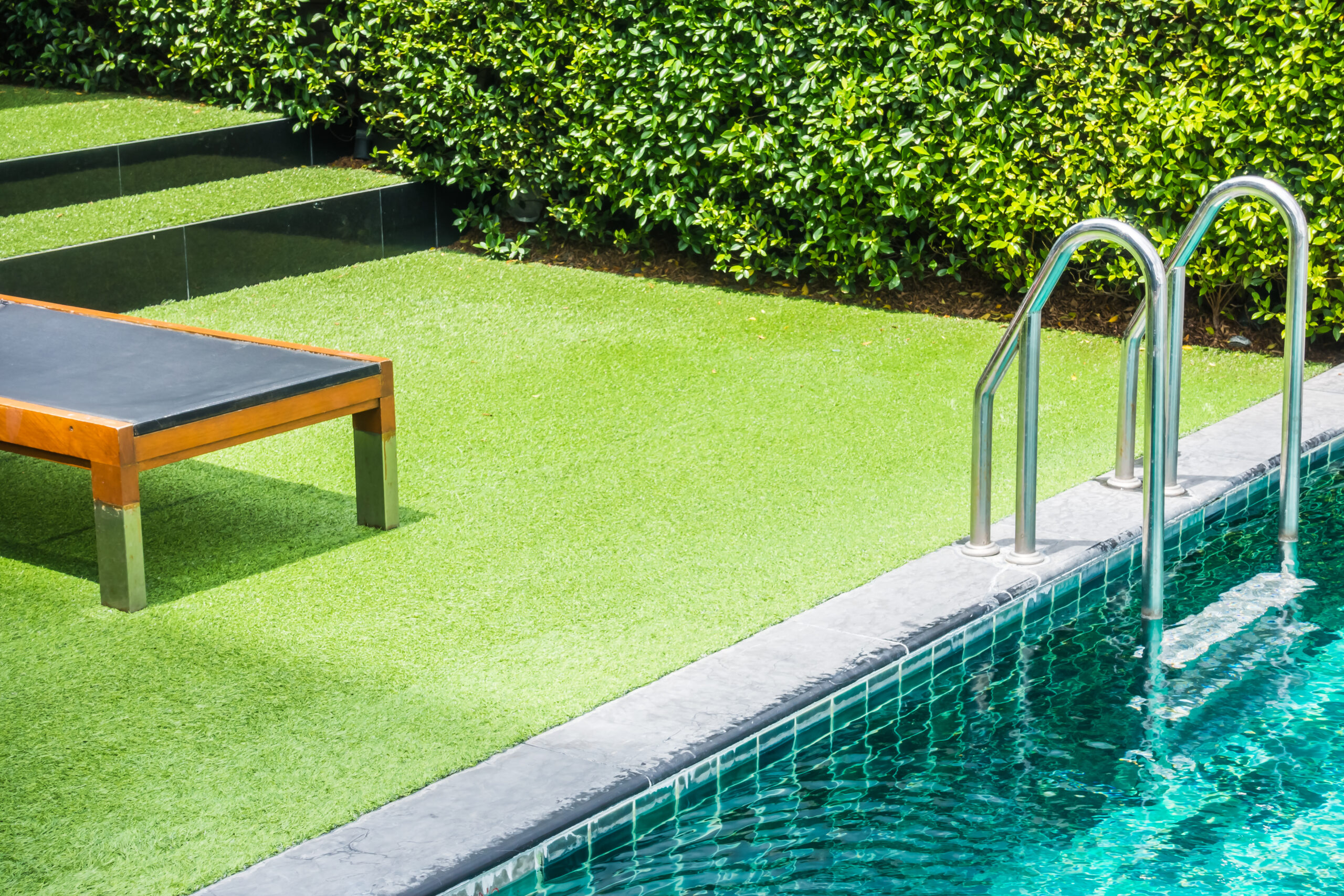
When homeowners look for low-maintenance landscaping alternatives to natural grass, two options often come up: artificial turf and gravel landscaping. Both are popular choices for modern outdoor spaces, especially in regions where water conservation and reduced lawn maintenance are important priorities.
While both materials can create attractive and functional landscapes, they serve different purposes and offer different benefits. Understanding how artificial turf and gravel compare in terms of appearance, maintenance, comfort, and long-term value can help homeowners choose the best solution for their yard.
This guide explains the key differences between artificial turf and gravel landscaping so you can decide which option fits your outdoor space and lifestyle.
Artificial turf is a synthetic grass surface designed to replicate the appearance and feel of natural grass. It is commonly used in residential lawns, playgrounds, sports fields, and commercial landscapes.
Modern artificial grass is made from durable synthetic fibers that are designed to withstand weather, foot traffic, and outdoor activity. The turf is installed over a compacted base layer that provides stability and proper drainage.
One of the main advantages of artificial turf is that it stays green throughout the year without requiring watering, mowing, or fertilizing.
Because of these benefits, artificial grass has become a popular landscaping option for homeowners who want a natural lawn appearance with minimal maintenance.
Gravel landscaping uses small stones or crushed rock to create decorative or functional outdoor surfaces. Gravel is often used in modern landscape designs, desert-style gardens, pathways, and driveways.
Unlike natural grass, gravel does not require watering or mowing. It can create a clean and minimal appearance while providing good drainage during rainy weather.
Gravel landscaping is often used in xeriscaping, a landscaping method that focuses on reducing water usage by using drought-resistant plants and materials.
Although gravel requires less maintenance than natural grass, it may still require occasional leveling or weed control.
One of the biggest differences between artificial turf and gravel landscaping is their visual appearance.
Artificial turf closely resembles natural grass, providing a lush and vibrant green lawn throughout the year. This makes it a popular choice for homeowners who want a traditional lawn look without the maintenance challenges of real grass.
Gravel landscaping, on the other hand, creates a more modern or minimalist appearance. It is often used in contemporary landscape designs and works well with decorative plants, stepping stones, and hardscape elements.
While gravel can be visually appealing in certain settings, it does not provide the same soft and natural look that a green lawn offers.
Homeowners who prefer a garden-like atmosphere usually choose artificial turf, while gravel is often used for decorative or structural landscape features.
Another important factor to consider is how comfortable each surface is for everyday use.
Artificial turf provides a soft surface that feels similar to natural grass. This makes it ideal for areas where people walk, play, or relax outdoors.
Families with children or pets often prefer artificial turf because it offers a comfortable space for outdoor activities.
Gravel surfaces are much harder and less comfortable to walk on. Small stones can shift underfoot, making them less suitable for recreational areas or play spaces.
Walking barefoot on gravel may also feel uncomfortable for many people.
For homeowners who want a functional outdoor living space, artificial turf is generally the more comfortable option.
Both artificial turf and gravel require significantly less maintenance than natural grass. However, their maintenance needs differ slightly.
Artificial turf maintenance typically involves:
These simple tasks help keep the lawn looking clean and fresh.
Gravel landscaping requires different types of maintenance, including:
Wind, rain, or foot traffic can cause gravel to scatter outside designated areas, which may require occasional adjustment.
Although both options are low maintenance, artificial turf often provides a more stable surface that requires less frequent correction.
Both artificial turf and gravel perform well in different weather conditions.
Artificial turf systems are installed with drainage layers that allow water to pass through the surface and flow into the ground below. This prevents puddles from forming and keeps the lawn usable after rainfall.
Gravel naturally allows water to drain through the gaps between stones. This makes it a practical choice for pathways or areas where water drainage is important.
In hot climates, gravel can absorb heat from the sun and become quite warm during the day. Artificial turf may also become warm in direct sunlight, but it typically cools quickly when shaded or lightly rinsed with water.
Both materials are durable and can handle a variety of weather conditions when installed correctly.
Cost is often an important factor when choosing landscaping materials.
Gravel landscaping typically has a lower initial installation cost compared to artificial turf. The materials are relatively inexpensive, and installation can often be completed quickly.
Artificial turf usually requires a higher upfront investment because of the materials and preparation involved in installation. However, it may offer long-term savings because it eliminates the need for lawn maintenance, irrigation, and landscaping services.
Over time, many homeowners find that artificial turf provides better long-term value due to reduced maintenance and water costs.
Artificial turf is ideal for spaces where homeowners want a natural lawn appearance and a comfortable outdoor surface.
Common uses include:
Because it stays green year-round and handles heavy use, artificial turf works well in areas designed for everyday activity.
Gravel landscaping is often used for structural or decorative purposes.
It works particularly well in:
Gravel can also be combined with artificial turf to create visually interesting landscape designs that include both greenery and decorative elements.
The best landscaping choice depends on how you plan to use your outdoor space.
Homeowners who want a soft, green lawn for relaxation and outdoor activities often prefer artificial turf. It provides a natural appearance and a comfortable surface with very little maintenance.
Gravel landscaping is better suited for decorative areas, pathways, or modern landscape designs where greenery is not the primary focus.
In many cases, combining artificial turf with gravel elements can create a balanced landscape that offers both beauty and functionality.
By considering factors such as comfort, maintenance, appearance, and long-term value, homeowners can choose the landscaping option that best fits their needs.
Frequently Asked Questions
Is artificial turf better than gravel for residential lawns?
Artificial turf is usually better for lawns because it provides a soft, green surface that is comfortable for walking and outdoor activities.
Does gravel landscaping require maintenance?
Yes. Gravel landscapes may require occasional leveling and weed removal to maintain their appearance.
Can artificial turf and gravel be used together?
Yes. Many landscape designs combine artificial turf with gravel pathways or decorative areas to create visually appealing outdoor spaces.
Which option is better for pets?
Artificial turf is typically better for pets because it provides a comfortable surface and is easier to clean.

Lorem ipsum dolor sit amet, consectetur adipiscing elit, sed do eiusmod tempor incididunt ut labore et dolore magna aliqua…

February 12, 2025

February 12, 2025
April 10, 2025
April 21, 2025

April 28, 2025