
-
6258 Penfield Ave, Woodland Hills, CA 91367
6258 Penfield Ave, Woodland Hills, CA 91367
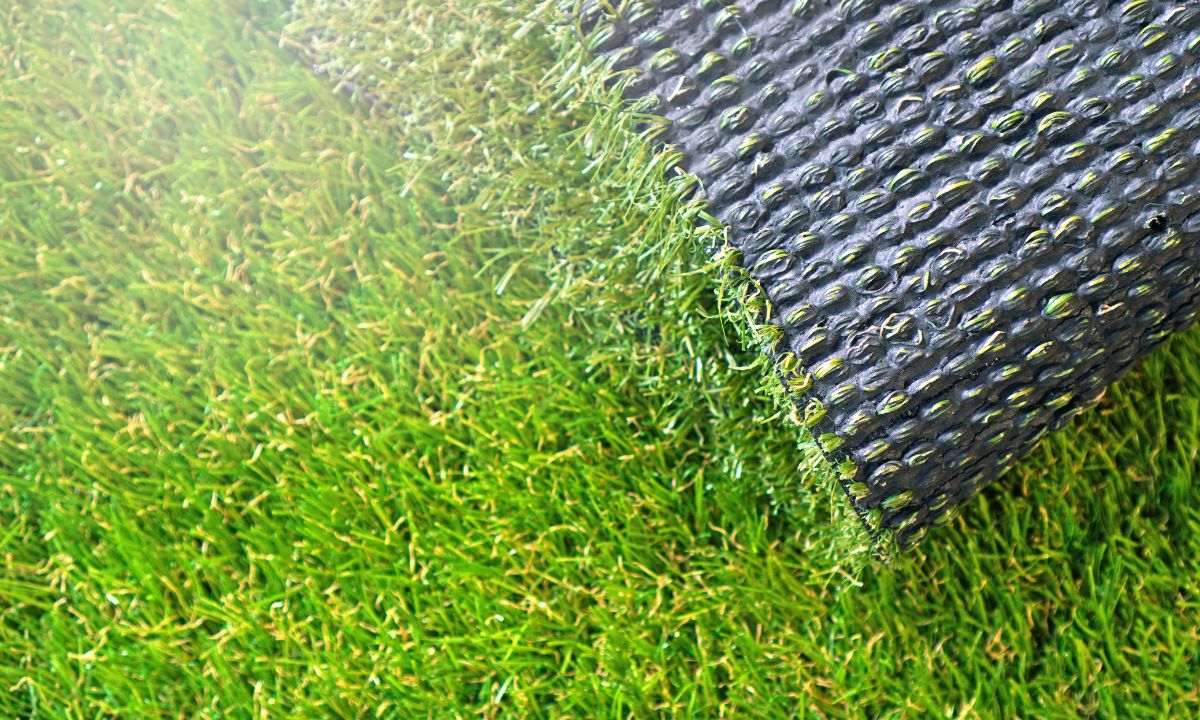
Artificial turf has become a popular landscaping choice for homeowners who want a beautiful lawn without the constant upkeep required by natural grass. Synthetic grass provides a lush green appearance throughout the year while eliminating the need for mowing, watering, and fertilizing.
However, while artificial turf is considered low maintenance, it still requires occasional care to keep it looking clean, fresh, and long-lasting. Proper maintenance helps preserve the appearance of the turf fibers, maintain effective drainage, and extend the lifespan of the lawn.
With a few simple maintenance practices, homeowners can keep their artificial turf looking new for many years. This guide explains the essential steps involved in maintaining synthetic grass and ensuring it continues to enhance the beauty of your outdoor space.
Artificial grass is designed to withstand various weather conditions and heavy foot traffic. However, like any outdoor surface, it can accumulate dust, leaves, and debris over time.
Regular maintenance helps prevent these materials from settling into the turf fibers and affecting the appearance of the lawn. It also ensures that the drainage system remains effective and that the grass maintains its natural look.
Maintaining artificial turf does not require the same level of effort as natural grass, but occasional cleaning and care can make a noticeable difference in how the lawn looks and performs.
One of the simplest maintenance tasks for artificial turf is removing debris that collects on the surface.
Leaves, twigs, and dirt may accumulate due to wind, nearby trees, or everyday outdoor activity. If left unattended, organic debris can decompose and create unwanted buildup within the turf fibers.
Homeowners can easily remove debris using tools such as:
Using lightweight tools is recommended to avoid damaging the synthetic fibers. Regularly clearing debris helps maintain the lawn’s clean and tidy appearance.
Over time, areas of artificial grass that receive heavy foot traffic may appear slightly flattened. This can occur in places such as walkways, patios, or play areas where people frequently walk or stand.
Brushing the turf helps restore the upright position of the grass fibers and keeps the lawn looking natural.
A stiff-bristled broom or turf brush can be used to gently brush the fibers in the opposite direction of their natural lean. This process lifts the fibers and improves the overall appearance of the turf.
Brushing is typically only needed occasionally and is especially helpful for maintaining high-traffic areas.
Although artificial turf does not require watering like natural grass, occasional rinsing can help remove dust, pollen, and small particles from the surface.
A light spray from a garden hose is usually enough to refresh the lawn and keep it clean.
Rinsing can be especially useful in dry or dusty environments where airborne particles may accumulate more quickly.
For most residential lawns, rinsing the turf once in a while is sufficient to maintain a clean surface.
Artificial turf is widely used in homes with pets because it is durable and easy to clean. Unlike natural grass, synthetic turf does not develop muddy areas or dead patches caused by pet activity.
To maintain a clean pet-friendly lawn, homeowners should:
Most artificial turf systems include built-in drainage layers that allow liquids to pass through the surface. This helps prevent puddles and keeps the lawn hygienic.
With proper care, artificial grass can provide a comfortable outdoor space for pets while remaining easy to maintain.
Artificial turf is designed to prevent weed growth by blocking sunlight and covering the soil beneath it. However, weeds may occasionally appear around the edges of the lawn or in small gaps.
This is usually rare and easy to manage.
If weeds appear, they can typically be removed by hand. In some cases, a mild weed control product may be used to prevent regrowth.
Most professional artificial turf installations include a weed barrier that further reduces the chance of weeds growing through the surface.
Artificial turf is resistant to most common stains, but occasional spills may happen during outdoor gatherings or activities.
Food, drinks, or other substances can usually be cleaned easily with water and mild soap.
For tougher stains, a gentle cleaning solution and a soft brush can be used to remove residue without damaging the turf fibers.
Regular cleaning helps ensure that the lawn continues to look fresh and inviting.
Artificial turf requires very little seasonal maintenance compared to natural lawns.
During autumn, leaves may accumulate more frequently and should be removed regularly. In windy conditions, debris may need to be cleared occasionally.
In rainy seasons, homeowners may simply check that the drainage system is functioning properly and that water flows through the turf as expected.
Because artificial grass does not depend on soil conditions or irrigation, it remains green and attractive throughout every season.
One of the biggest advantages of artificial grass is its long lifespan. High-quality turf can last between 15 and 20 years with proper installation and basic maintenance.
Homeowners can help extend the lifespan of their lawn by:
These simple steps ensure that the turf remains durable and visually appealing for many years.
Artificial turf provides homeowners with a practical landscaping solution that combines beauty with convenience. Unlike traditional lawns, synthetic grass eliminates the need for mowing, fertilizing, and constant watering.
With just a small amount of occasional care, artificial turf can maintain its vibrant green appearance and provide a clean, comfortable outdoor space.
For homeowners looking to reduce lawn maintenance while still enjoying a beautiful yard, artificial turf offers a reliable and long-lasting option.
Frequently Asked Questions
How often should artificial turf be maintained?
Artificial turf requires minimal maintenance. Removing debris and occasional brushing every few weeks is usually enough to keep the lawn looking clean.
Can artificial grass be washed with water?
Yes. Artificial turf can be rinsed with a garden hose to remove dust and debris. This is especially helpful in dry environments.
Does artificial turf need mowing?
No. Artificial grass does not grow, so mowing is never required.
Can artificial turf handle heavy foot traffic?
Yes. High-quality artificial turf is designed to withstand regular foot traffic and outdoor activities.
How long does artificial turf last?
Most artificial turf products last 15 to 20 years with proper installation and maintenance

Lorem ipsum dolor sit amet, consectetur adipiscing elit, sed do eiusmod tempor incididunt ut labore et dolore magna aliqua…

February 12, 2025

February 12, 2025
April 10, 2025
April 21, 2025

April 28, 2025