• 6258 Penfield Ave, Woodland Hills, CA 91367

Artificial Turf for Schools and Playgrounds: Safety, Maintenance & More

Artificial Turf for Schools and Playgrounds: Safety, Maintenance & More

A growing number of schools have started using artificial turf for their outdoor areas and not just for looks. It turns out, when done right, turf can be a safer, cleaner, and easier-to-manage option than grass. With the foot traffic a typical schoolyard sees, it makes a lot of sense.

Here’s a breakdown of what makes turf work well for school settings, especially playgrounds and open activity spaces.

Safety Comes First, Especially on Playgrounds

One of the big reasons schools go for turf is to make things safer for kids when they’re running, jumping, or just being rough during recess. Natural grass wears down fast, and when that happens, kids end up playing on dirt or worse, on hard patches that turn dangerous when they fall.

Artificial turf is usually installed with a padded layer underneath, so it helps absorb impact. That’s a big deal around climbing structures or where kids tend to fall the most. It also dries up quickly after rain, which cuts down on slipping and muddy messes.

So, fewer injuries and fewer areas that need to be roped off after bad weather.

Maintenance Is an Easy Job

Ask any school maintenance crew, grass is work. You’ve got mowing, watering, re-seeding, fertilizing… it adds up. Turf, by comparison, doesn’t ask for much.

You might need to brush it out once in a while or clear off leaves and trash, but it stays green without watering and doesn’t get patchy from overuse. Even after a week of soccer games and recess, it holds up better than most grass fields would.

It’s not zero-maintenance, but it’s way less stressful than trying to keep natural grass looking good all year.

Water Savings Matter More Than Ever

With California’s long history of water shortages, cutting back on outdoor irrigation is a huge win. Turf doesn’t need watering at all, and for schools that were using thousands of gallons a week to keep a field alive, the difference is real, both environmentally and financially.

There’s also no need to use fertilizers or weed treatments, which means fewer chemicals on campus and less runoff into local drains or soil.

It Stands Up to Use in Real Life

Playgrounds see everything from gym class and games to spilled juice boxes and snack crumbs. Turf can handle them all.

It’s easy to rinse off if there’s a mess, and if one spot gets damaged or worn out, it’s not hard to replace just that section instead of the whole field. Some schools even use different turf colors to mark out game zones or classroom areas outside.

It’s built to deal with kids being kids.

Things to Keep in Mind Before You Install

If you’re thinking about installing turf, there are a few things you’ll want to think through first:

  • Make sure there’s padding. That layer underneath matters a lot for safety, especially if this is going under play structures or where kids might fall.
  • Drainage is important. The base layer needs to be done right so that water doesn’t pool after rain.
  • Infill choices can make a difference. Some options stay cooler in hot weather, while others are better for heavy foot traffic.
  • Pick an installer with experience in school jobs. Turf needs to be laid down properly with drainage, seams, and edges in mind or problems will pop up later.

Schools Around California Are Already Making the Switch

Artificial Turf California has done installations for all kinds of schools – big, small, urban, rural. They know how to work around school schedules and meet safety codes. Whether it’s a full field or just a worn-out corner where grass won’t grow, they’ve likely done something similar before.

It’s not just about making things look good, but also about creating spaces kids can use every day without constant maintenance or safety concerns.

Final Thoughts

Artificial turf is a smart solution for schools and playgrounds. It cuts down on work, improves safety, and stays usable year-round. For places where grass just can’t keep up, turf is often the better option.

If your school is dealing with bald patches, mud problems, or high water bills, it might be time to look into turf as a long-term fix.

The Best Ways to Clean and Maintain Artificial Grass at Home

The Best Ways to Clean and Maintain Artificial Grass at Home

When homeowners decide to install artificial turf on their lawns, they look forward to having the artificial grass last many more years with its attractive look. Although artificial grass has a fraction of the maintenance levels of natural grass, when it comes to care, it will perform much better and last longer, too.

Critical Weekly Regimen of Maintenance

Slowing the formation of undesirable conditions and avoiding the development of serious problems by introducing a constant maintenance ritual performed once a week will help your fake grass look its best.

The top priority weekly activity is the removal of the surface debris like leaves, twigs and other types of organic materials that can deposit on the turf surface.

It is easy to clean off loose material off artificial grass with a rake or a simple leaf blower. When raking, use one with synthetic or rubber tine to prevent damage on the synthetic fibers.

Once per week, the debris is cleared, and this helps take care of organic matter decaying on the surface of the turf, which might lead to unsatisfactory smells or stains in the course of time.

The Best Approach to Cleaning Various Stains

Various stains have their own variant of cleaning strategies that must be applied to them so as to ensure that no harm is done to them as well as ensure proper cleaning. To clear general dirt and dust accumulation, a quick rinse will do using a garden hose as most contaminates are removed through the surface.

Most homeowners have found that the high quality synthetic grass products are easy to clean since the synthetic fibers do not stain easily. Pet waste needs to be immediately dealt with so that odors and bacterial growth is avoided.

Immediately take out solid waste and wash the affected area by using water. To remove odors that do not go away, prepare an equal mixing of white vinegar and water and spray the place followed by rinsing. This is a natural way of cleaning without affecting the synthetic fibers and this way it neutralizes the odor perfectly.

Monthly Deep Cleaning Procedures

Monthly deep cleaning maintains the long-term appearance and hygiene of your artificial grass installation. This process involves more thorough cleaning than weekly maintenance and addresses areas that may accumulate dirt or develop minor issues over time.

Begin monthly cleaning by thoroughly hosing down the entire artificial grass surface to remove accumulated dust and light debris. Pay special attention to areas around trees or near construction zones where dust and particles may settle more heavily.

Protecting Your Investment Through Proper Care

Temperature considerations play an important role in maintaining artificial grass in California’s varied climate zones. During extreme heat periods, avoid walking on the turf during peak sun hours when surface temperatures may be elevated.

While modern synthetic turf includes heat-resistant properties, limiting exposure during the hottest parts of the day helps preserve fiber integrity.

Snow and ice rarely affect California installations, but homeowners in mountain regions should use plastic shovels rather than metal ones to remove snow from artificial grass surfaces.

Professional Maintenance Considerations

While homeowners can handle most maintenance tasks independently, certain situations may require professional attention. Deep cleaning with specialized equipment can restore heavily soiled artificial grass to like-new condition.

Professional maintenance services have access to commercial-grade cleaning solutions and equipment designed specifically for synthetic turf applications. Annual professional inspections help identify potential issues before they become significant problems.

Artificial Grass for Drought-Prone Areas: A Smart Water-Saving Solution

Artificial Grass for Drought-Prone Areas: A Smart Water-Saving Solution

With water restrictions growing more frequent and charges of utilities rising steadily, homeowners and businesses throughout the state are searching for ways they can replace the regular lawn with a more sustainable version. The artificial grass has proved an effective solution that not only helps to solve the environment as well as curb aesthetic inclinations but goes an extra mile in the saving of water.

The Emerging Water Crises in California

The Mediterranean climate of California is quite long with dry summer and unpredictable rain patterns which caused a stress on the water resources of the state. Most parts of the world go through long periods of drought, which compel settlements to enforce stringent water conservation measures.

It is more than a personal water expense. Water systems that serve cities and towns cannot handle demand at times of peak summer irrigation of the lawn.

By minimizing this pressure on the water systems of the cities, artificial grass installations also assist communities in meeting their conservation objectives without having to give up green spaces.

The Synthetic Turf Water Conservation Advantages

Artificial grass does not require frequent irrigation and this amounts to a lot of water saved by the property owners. The average size of lawn 1,800 square feet needs about 99,000 gallons of water a year to keep it healthy in the Californian climate.

This usage involves normal watering program, adjustments during summer and also in drought seasons. This water demand is instantly nullified by installation of artificial grass leaving savings to accrue over the years.

Such water savings prove to be especially useful when faced with drought emergencies where the rate of water goes up and the amount of water being used is restricted to a certain point thereby not being able to irrigate as much as needed.

The long-term water saving effect is on a bigger scale than on individual properties. When whole neighborhoods consider the artificial grass options, the overall effect of reduced consumption translates to the reduced burden on local water supplies.

Financial Advantages During Drought Periods

The economic benefits of artificial grass become most apparent during extended drought periods when water costs escalate and penalties for excessive usage apply.

Many California water districts implement tiered pricing structures that significantly increase costs for high-volume users. Traditional lawn maintenance often pushes households into these expensive usage tiers.

The financial benefits extend beyond water savings to include reduced maintenance costs. Artificial grass requires no fertilizers, pesticides, or herbicides, eliminating recurring chemical treatment expenses.

Environmental Impact and Sustainability

Artificial grass contributes to environmental sustainability in drought-prone areas through multiple pathways beyond water conservation. The elimination of chemical treatments prevents runoff that can contaminate groundwater and local waterways.

This reduction in chemical usage creates healthier environments for families, pets, and local wildlife. The absence of maintenance equipment operation reduces carbon emissions associated with lawn care.

Addressing Common Concerns About Synthetic Turf

Property owners considering artificial grass often express concerns about heat retention and aesthetic authenticity. Modern synthetic turf technologies have addressed these issues through advanced fiber designs and infill materials that regulate surface temperatures and create realistic appearances.

Heat management innovations include reflective fiber coatings and cooling infill materials that maintain comfortable surface temperatures even during peak summer heat. These technologies ensure that artificial grass remains usable for recreation and relaxation throughout the year.

Is Synthetic Turf a Green Choice for Landscaping?

Is Synthetic Turf a Green Choice for Landscaping?

As the demand for solutions that are environmentally responsible continues to grow, synthetic turf has become a reasonable alternative to natural grass. Synthetic turf provides green coverage year-round while significantly less water, nutrients, and resources are consumed, and is being increasingly accepted as “green” for new landscaping options.

So, let us look at whether synthetic turf is a green choice for landscaping in Woodland Hills.

What Makes Synthetic Turf an Eco-Friendly Option

Minimizing Water Use

Saving water is one of the best features of synthetic turf. Traditional grass lawns require continuous watering–especially where irrigation is needed due to drought or arid conditions.

Synthetic turf provides a solution to this water use issue because it is not watered at all. It only requires the occasional rinsing off to remove dust or debris. With synthetic turf, there are no daily or seasonal watering duties, which not only alleviates the demand for our local water supplies but supports higher levels of water conservation.

This is a major benefit of synthetic turf for areas that are already challenged by diminishing water supplies stemming from climate change.

Reducing Chemical Applications

Natural lawns have their own environmental disadvantages as well. A healthy green lawn requires best management practices, and the application of fertilizers, herbicides, and pesticides does contribute to our pollution problems.

These products can leach into the soil and water systems, making them harmful to the overall ecosystem stability and potential impacts on people. Synthetic turf replaces this type of maintenance product.

What doesn’t get leached into the ground and water systems, synthetic turf will have a positive impact on cleaner groundwater. The evaporating gases from chemicals and tools of application equipment contribute to local air pollution, helping with the desire to promote a healthier environment for the local societies, peoples, and other wildlife.

Reducing Carbon Emissions

Traditional lawn care, mowing, trimming, and leaf treatment require gasoline-powered tools that obviously contribute to emissions reduction and noise pollution of the overall environment.

With synthetic turf there is no mowing, and no fuel consumed for the upkeep, therefore the amount of fossil fuels consumed in the care of the yard and garden drastically decreases. This greatly helps in reducing the release of carbon in the atmosphere.

Overall the reduction in tools, and their cost, reduces the carbon footprint for residential and commercial properties in our communities. In an Urban community where emissions and noise pollution are of concern, synthetic turf provides an alternative landscaping solution that meets the eco-friendly requirement of a sustainable urban community.

Promoting Durability and Longevity

An important green feature of synthetic turf is its life span. A quality installation can last from 10 years to upwards of 20 years depending on care. Lessened durability equates to less replacement and reduced consumption of materials.

Throughout its lifecycle, synthetic turf is capable of providing fewer environmental costs compared to the continuous consumption of resources required by natural turf.

In addition, many of the modern types of synthetic turf contain recycled products and are recyclable, which helps move the net environmental cost lower. With continued advancements in technology, more turf products are being designed with sustainable and recyclable end-of-life products.

Support Aesthetic Sustainability

When it comes to consistency in aesthetic appearance throughout the year, synthetic turf is unmatched. It reduces over-seeding, and landscapers often avoid extensive restoration methods which can be wasteful with water and materials.

Additionally, it performs well in situations where public parks, schools/colleges, and community recreation fields would become bare or severely overworked turf through average public participation.

So, if you want to install synthetic turf in your properties in Woodland Hills, contact Artificial Turf California today.

How Synthetic Grass Turf Changed Modern Landscaping

How Synthetic Grass Turf Changed Modern Landscaping

The landscape industry has shifted dramatically in the past few decades due in large part to the development of Synthetic Grass Turf. Initially developed for sports fields, synthetic turf has now entered the residential, commercial, and public environments which has set a new standard for, and has changed the expectations of, landscaping in today’s environment.

So, let us look at how synthetic grass turf has affected modern landscaping in California.

The Impact of Synthetic Grass Turf on Landscaping

Synthetic Alternatives to Natural Landscaping

Traditional landscaping was based on organics, primarily growing lawns or plants. As development of all types accelerated, and more people became aware of the impact they had on the environment, the trend for sustainable practices evolved.

Synthetic Grass Turf was the answer to the problems presented above in sustainable landscaping and its introduction, and presence, created a clean look while significantly reducing maintenance.

The quality of fibers, weather resistance, and UV stability for modern turf products closely emulate natural grass, hence why they became a viable alternative for a wide range of application.

Environmental and Economic Benefits

One of the best-known effects of Synthetic Grass Turf has been environmental. An any-sized lawn typically provides any homeowner with thousands of gallons of water consumption each year based on a whole host of factors, while turf requires no irrigation whatsoever.

Not only does synthetic turf save the habitat and resources, but it also reduces dangerous pesticides and fertilizers. From an economic standpoint, homeowners and property managers save on utility usage and maintenance expenses. Over time, they tend to make up for the installation expense in maintenance and not use as many resources.

Versatile Usage

A major factor driving the widespread use of Synthetic Grass Turf is its versatility. Synthetic Grass can accommodate for a variety of climate and surface conditions. Currently, Synthetic grass is being used in many settings including rooftop gardens, play areas, synthetic grass for pets, arenas for indoor sport, etc.

In more urban areas with limited space for natural green areas, decorative areas have become more feasible because of synthetic grass. Using synthetic grass in these circumstances gives us the opportunity to recreate aesthetically pleasing outdoor areas without being inhibited by soil health or sunlight.

Improved Aesthetics

In the early days of synthetic grass turf, many people were turned off by the unnatural look of the product, as well as its limited durability. New advancements have begun to improve both the durability and aesthetics of synthetic surfacing. Nowadays, synthetic turf now includes multi-tone fibers, softer textures, and much more efficient drainage systems.

These innovations have improved not only the aesthetic appeal of any surface, but the safety and comfort of everyday use. Advancements in the technology of turf have now made it possible for turf to be more than just functional surfaces but to be considered in high-end landscapes and luxury developments.

Sustainable Turfing Solution


As the idea of sustainability is being integrated into urban, suburban, and rural environments, Synthetic Grass Turf is becoming a viable long-term option. The durability of turf, which varies from 15-25 years depending on usage, will help in areas with foot traffic and difficult climates.

Beyond manufacturers developing turf with more recyclable materials and in more environmentally friendly manners, the next step in turf is integrating smart technologies with the turf, such as temperature-regulating infills and self-cleaning technologies.

Synthetic Grass Turf has transformed the function, aesthetic, and sustainable nature of landscaping for the urban, suburban and rural environment and while the turf industry continues to innovate, synthetic grass will only play a larger role in shaping the future of green spaces.

So, if you are looking to install synthetic grass turf in your property in California, contact Artificial Turf California today.

Eco-Friendly Landscaping with Synthetic Grass Turf

Eco-Friendly Landscaping with Synthetic Grass Turf

Contrary to what many people believe, using synthetic grass as turf is actually an eco-friendly practice. While it may seem odd at first, using synthetic grass significantly reduces the consumption of natural resources and removes the need for applying harmful chemicals to maintain turf.

So, let us look at how synthetic grass turf is an eco-friendly landscaping solution in California.

What Makes Synthetic Grass Turf Eco-Friendly

Reduced Water Usage

One of the main benefits of synthetic grass is water conservation. Real grass needs to be regularly watered with large amounts of water just to maintain its lush look, especially in drier areas.

By adopting synthetic grass, water consumption and utility costs are both at a steep decline, aiding conservation efforts for this precious resource. Unlike a traditional lawn, synthetic grass maintains its alluring green from one end of the year till the other without requiring even a single drop of water.

No Chemicals Necessary

To keep a good-looking natural lawn, fertilizers, herbicides, and pesticides need regular application. The adverse effect of such chemicals on human and animal health has now been established, yet another harm they bring upon themselves, in the form of runoff which contaminates nearby water bodies.

Contrarily, synthetic grass situations call for no such treatment. Being made with a durable type of non-organic substance, no chemicals are necessary, thereby reducing environmental contamination and promoting healthier ecosystems.

An eco-landscaper must appreciate that grass without any chemical dependencies is one great advantage of synthetic grass.

Low Maintenance and Durable

Another environmentally significant benefit of synthetic grass is its low-maintenance nature. Natural lawns require frequent mowing, trimming, seasonal reseeding fuel and electricity consumption, and labor. Mowing contributes immensely to air pollution through gasoline-powered equipment.

With faux grass, all these needs are completely eliminated, thereby reducing carbon emissions and conserving energy. Besides that, premium-grade artificial turf is manufactured to endure much wear and tear and adverse weather conditions, and it can actually last 15–20 years with little maintenance.

The longevity of such features makes them more sustainable since they do not have to be continually replaced.

Made of Recycled Materials

From a more modern perspective, synthetic grass can be produced from recyclable and green materials. Nowadays, many manufacturers are marketing turf that is made from post-consumer plastics and other environmentally friendly materials.

After their useful life, this turf can be recycled to avoid ending up in landfills and promote circular economies. Landfill use being also reduced is associated with the very fabrication of synthetic grass, which, through new techniques demands less energy and produces lesser greenhouse gases.

With all these new approaches, synthetic grass represents not only a sustainable solution for landscaping today but also an apt solution for the landscaping needs of the future.

Heat Island Mitigation

Artificial grass is a crucial contributor to urban greening measures, especially where traditional lawns for growing trees are hard to set up. The scope to move toward green rooftops and green patios and walls could give planners a much-needed opportunity to bring some green to constructed environments, rather limited by soil, sunlight, and irrigation.

Furthermore, when installed with proper infill and backing systems, synthetic grass may help lessen the urban heat island effect phenomenon, where concrete and asphalt surfaces cause immense temperature elevation in a city. Thus, serving as a cooler surface alternative, synthetic grass supports comfortable and sustainable urban life conditions.

Synthetic grass has high potential for those who wish to continue working on eco-friendly landscaping. The water-saving aspects and lack of chemicals are just the start; given their durability and sustainability in the urban scenario are other points on the list.

By improving technology and growing ecological concerns, synthetic grass will mark the beginning of contemporary landscape design.

So, if you are looking for an eco-friendly synthetic grass landscaping in California, contact Artificial Turf California today.

Synthetic Grass vs Natural Grass: Which One Wins for Busy Homeowners?

synthetic grass

Those who manage their time between work commitments and family needs alongside a busy schedule tend to keep lawn care activities low on their priority list. The weekend routine of mowing grass followed by water maintenance along with fixing bare sections fails to receive favor from anyone. The rising trend of synthetic grass among busy homeowners proves why it has become their preferred outdoor surface option. The surface provides a clean appearance while maintaining its greenness without requiring daily care.

Maintenance

Natural grass is demanding. To keep it green and healthy, you’re looking at:

  • Weekly mowing
  • Daily or every-other-day watering in summer
  • Fertilizing and weed control every few months
  • Dealing with pests, disease, and seasonal browning

Now compare that to synthetic grass. You install it once, and it’s done. No mowing. No watering. No chemicals. Just an occasional rinse and a quick brush if you want it looking fresh.

Cost

Yes, synthetic turf costs more upfront but that price includes up to 15 years of zero lawn care. Natural grass looks cheaper at first. But start adding up the real costs:

  • Water bills
  • Fertilizer
  • Mower fuel or service
  • Weed control
  • Occasional reseeding or sod repair

For an average-sized yard, natural grass can easily run you $700–$1,100 per year in upkeep. Synthetic grass? Maybe $50–$100 a year for occasional cleaning.

Appearance and Consistency

You can try your best with natural grass, but even then:

  • Brown spots happen
  • Mud appears after rain
  • Shade kills patches
  • Pets tear it up

Synthetic turf doesn’t care. It’s green, even, and picture-perfect all year. Whether it’s raining, blazing hot, or freezing outside, it looks exactly the same. Modern turf also doesn’t look fake. Good brands use multi-tone blades, realistic textures, and soft thatch layers to mimic the real thing. Most people won’t even notice the difference unless you tell them.

Environment

Think natural grass is more eco-friendly? Not when you factor in the inputs.

  • A typical lawn uses 55,000+ gallons of water per year.
  • Fertilizers and weed killers pollute local waterways.
  • Gas mowers contribute to air pollution and noise.

Synthetic turf eliminates all of that. One installation can save over 1 million gallons of water across its lifespan. It also reduces reliance on chemicals and fossil fuels. Yes, synthetic turf is made of plastic. But, many brands now use recycled content and offer recyclable backing. And the environmental cost of making it? Far less than 10 years of lawn chemicals and water waste.

Durability

Natural grass is fragile. One weekend party, a hyper dog, or a few weeks of hot weather can do serious damage. Shade, foot traffic, and drought make it worse.

Artificial turf is built tough. It handles heavy use, pets, and harsh weather without showing wear. UV-stabilized blades resist fading, and drainage systems prevent puddles or mud. The average synthetic lawn lasts 10-15 years, and some premium options stretch even longer.

The Verdict

If you’re looking for a lawn that looks great, saves time, cuts costs, and holds up under pressure, synthetic grass is the obvious choice.

Category Synthetic Grass Natural Grass
Time Investment Low High
Ongoing Cost Very Low High
Year-round look Always perfect Varies with season
Water Usage None High
Durability High (10-15 years) Moderate (weather dependent)

Conclusion

A lawn exists to serve its owners rather than requiring their constant maintenance. Synthetic grass saves your time and reduces your expenses while offering a yard you can be proud of. It’s not just a shortcut. It’s a smarter way to live.

Synthetic Turf Installation in California | Eco-Friendly

synthetic turf installation

Standard lawns in modern California weather struggle to survive throughout the year. The combination of periodic dry seasons and increasing water costs has forced residents, alongside businesses, to install synthetic grass as their permanent solution. The material supplies a visually appealing landscape option while minimizing resource use without diminishing functionality. Understanding the process of synthetic turf installation requires this information about California.

Why Californians Are Choosing Synthetic Turf

The problem of water scarcity continues to rise throughout all of California. The state has suffered significant droughts during recent years, which led to increased water restrictions throughout the area. The yearly water consumption necessary to maintain natural grass lawns normally goes beyond thousands of gallons.

Synthetic turf eliminates that need. Once installed, it doesn’t require watering, mowing, or fertilizing. That means lower utility bills, less maintenance, and no need for harmful lawn chemicals.

This financial decision proves to be both pragmatic and cost-effective. The initial investment in synthetic turf installation might seem higher, but synthetic turf recovers its purchase amount through decreased upkeep expenses and minimized water consumption throughout 3-5 years.

Eco-Friendly Benefits of Synthetic Turf

The annual water conservation through synthetic turf reaches approximately 55 gallons per square foot of area. Every year, synthetic turf saves around 55,000 gallons of water from 1,000-square-foot lawns. The conservation effort has substantial positive effects on dry climate regions.

It also reduces chemical runoff. Using natural lawns requires fertilizers together with herbicides, and pesticides to maintain them, which leads to water contamination and harm to surrounding ecological systems. Synthetic turf eliminates that risk.

Additionally, synthetic turf cuts down on emissions. Gas-powered lawnmowers and trimmers contribute to air pollution. With synthetic turf, there’s no need for weekly mowing or trimming.

Stylish Turf Options for Every Space

Modern artificial turf comes in various textures, and its blades come in different shapes and present multiple shades of green. Turf options are available that duplicate spring green grass.

Various spaces, including home fronts, backyards and dog areas, rooftops, swimming pools, surroundings, and indoor locations utilize synthetic turf. Synthetic turf works effectively in households and business establishments.

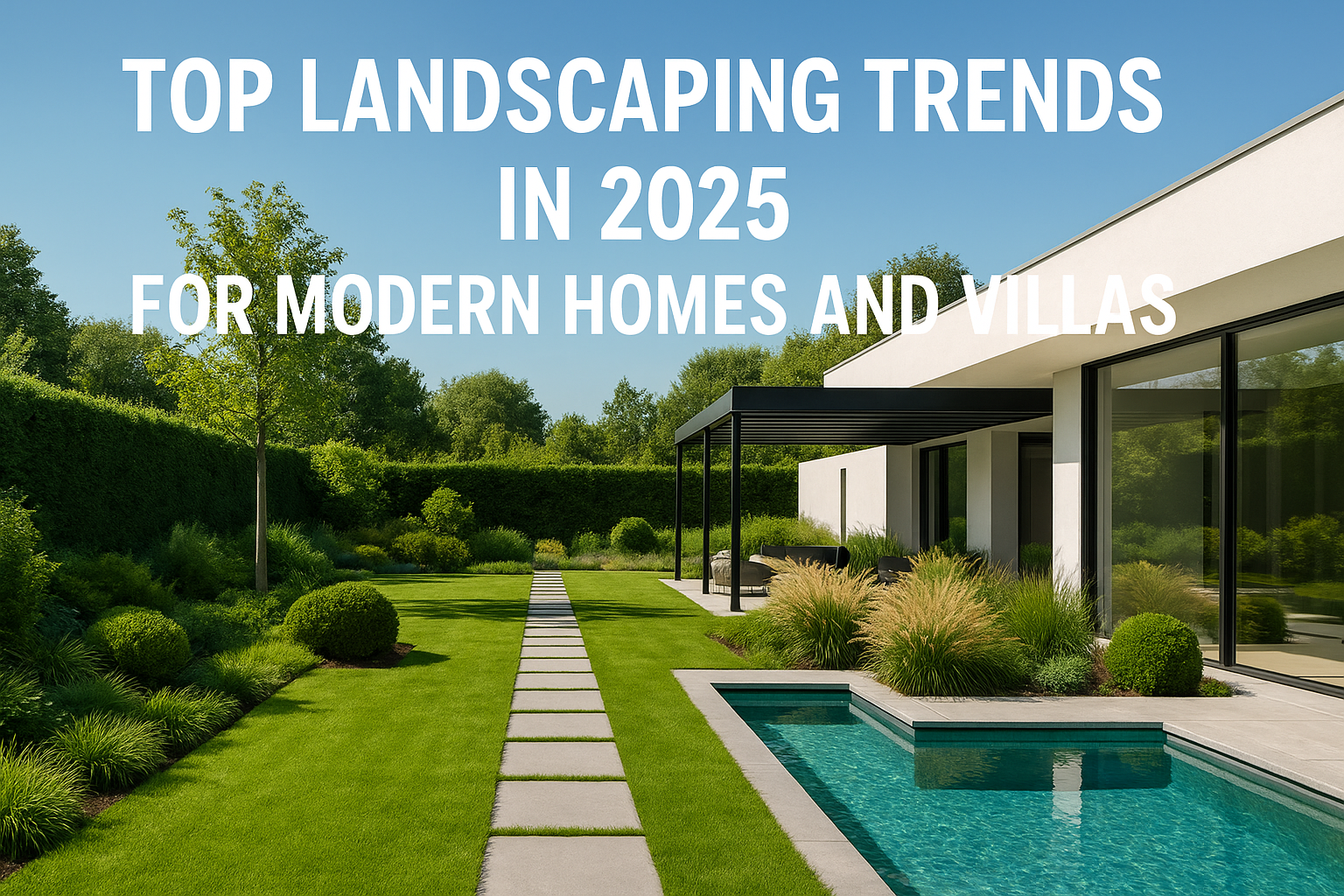
The main benefit of a synthetic turf is its adjustable nature for design purposes. A modern contemporary landscape design comes out when the turf gets blended with pavers and gravel. Southern California residents actively use this particular landscape design due to its widespread popularity.

Synthetic Turf Built to Withstand California’s Climate

Quality synthetic turf is designed for high sun and heat exposure. UV-resistant materials prevent fading and degradation. Most products hold up well under direct sunlight for 15–20 years.

Drainage is another key feature. Properly installed turf has a permeable base that lets water flow through, preventing pooling or mud. This is especially useful during heavy rain or for households with pets.

Synthetic turf also handles heavy foot traffic. Whether it’s kids playing or pets running, it won’t develop bare spots or turn brown. With minimal care, it looks the same year-round.

What to Expect During Synthetic Turf Installation

Professional installation is recommended for best results. The process typically includes:

  • Site prep: Removing existing grass or dirt, leveling the area
  • Base layer: Installing crushed stone or decomposed granite for drainage
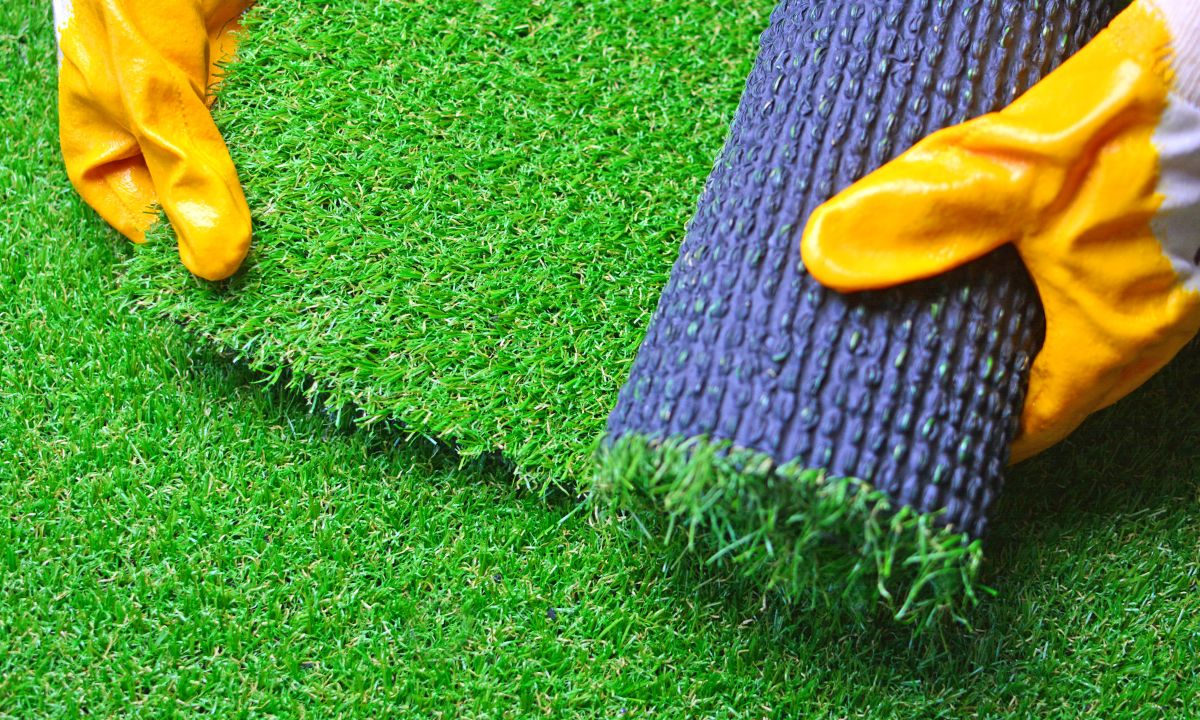
  • Turf laying: Rolling out the turf, trimming, and securing seams
  • Infill application: Brushing in sand or rubber particles to stabilize the turf and improve feel

Installation usually takes 1-3 days for a residential yard, depending on size and complexity. Always verify that your installer is licensed, insured, and experienced with local conditions.

Long-Term Care and Maintenance of Synthetic Turf

Maintenance is simple. Use a blower or plastic rake to eliminate leaves and debris from the synthetic grass surface regularly. Irregularly used pet areas should be rinsed with water, followed by proper application of turf-safe disinfectants.

Mowing the turf fibers with a brush every couple of months will help them maintain upright positioning. The infill may require additional topping over the years.

Repairs are rare but straightforward. A damage repair in artificial turf lawns requires only a localized fix of sections that need replacement, rather than requiring replacement of the entire lawn.

Conclusion

The use of synthetic turf proves to be an intelligent, sustainable solution for Californian residents. The surface preserves water supplies while needing less upkeep and maintaining a constant green color throughout the entire year. The product stands strong while showing an attractive appearance as it matches the state’s commitment to sustainable exterior design. Synthetic turf installation serves economic purposes as well as environmental benefits for homeowners and businesses.

Best Artificial Turf Installers in Woodland Hills, CA: What to Look For

Best Artificial Turf Installers in Woodland Hills, CA: What to Look For

Artificial turf is a great choice for Woodland Hills due to several benefits such as a safer outdoor surface, a year green aesthetic, and low maintenance. However, to take advantage of all of these amazing benefits, you need to choose the right artificial turf installer who can install the right type of artificial turf on your property.

So, let us look at how to choose an artificial turf installer in Woodland Hills, CA.

How to Find the Right Artificial Turf Installer

Available Artificial Turf Installations

Artificial turf installers can install artificial turf in both indoor and outdoor spaces of a property. Most artificial turf installers in Woodland Hills offer only outdoor installations. The installation of artificial turf varies depending on where the turf is being installed.

When searching for an artificial turf installer, check whether they are capable of installing the turf in your chosen spaces. You will be required to look at their past projects, expertise, and their tools to judge whether they can install the artificial turf on your property.

Maintenance Service

Many artificial turf installers in Woodland Hills also offer maintenance services for artificial turf as well. While artificial turf is a low-maintenance solution for landscaping, it still requires professional inspection and maintenance from time to time.

In this scenario, working with an artificial turf installer that also offers maintenance services will save you a lot of time. Aside from negating the need to search for a separate artificial maintenance service, it also reduces the time needed for maintenance since the same service will be better acquainted with the type of artificial turf installed in your home.

Cost of Service

It should come as no surprise but finding an artificial turf installer in Woodland Hills whose services you cannot afford is pointless even if that installer has all the qualities you want. The artificial turf installers can charge different amounts from their clients based on a number of factors.

What clients need to look for in this scenario is an artificial turf installer who strikes the right balance between price and quality. Going too low on costs will result in a lower quality artificial turf that may lack one or more benefits of an artificial turn.

Expertise and Experience

To judge whether an artificial turf installer is reliable or not, you need to look at their experience in this field of work. This can be easily verified by visiting their website and going to the “About Us” section. Most artificial turf installers in Woodland Hills have a website where they mention their experience in this field of work.

This page also contains other relevant information that might be useful for your judgment on the reliability of their service. So, carefully read all the details mentioned on the “About Us” page of an artificial turf installer before hiring them for artificial turf installation.

Client Reviews and Testimonials

While you are searching for the right artificial turf installer, make sure you check for the reviews of their previous clients and what their experience was while working with them. Many people post detailed explanations and ratings of their experiences with an artificial turf installer.

This information can be looked at by visiting either the website of the artificial turf installer or other online forums where people post their reviews and experiences about artificial turf installers. These reviews will help you learn what are the pros and cons of working with a given artificial turf installer and what you can expect when working with them.

If you are looking for a reliable artificial turf installer in Woodland Hills, contact Artificial Turf California today.