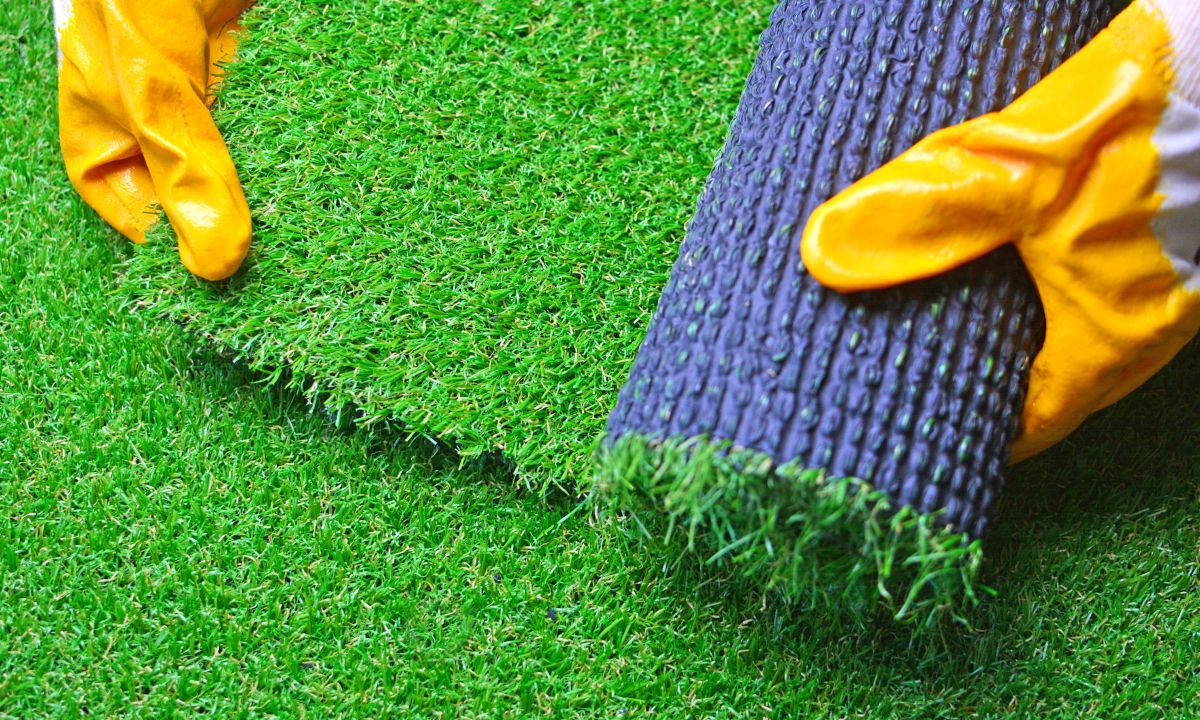
Water restrictions keep getting tighter and utility bills keep going up, so homeowners and businesses all over California are looking for a more sustainable alternative to the traditional lawn. Artificial grass has turned out to be a really effective answer. It looks great, it’s better for the environment and it saves a huge amount of water.
California’s Ongoing Water Challenge
California’s Mediterranean climate means long, dry summers and unpredictable rain, and that puts a lot of stress on the state’s water supply. Long droughts are a regular thing here, and cities often have to bring in strict water rules.
It’s not just about your own water bill, either. During peak summer, when everyone’s watering their lawns, local water systems can struggle to keep up.
By easing that pressure, artificial grass installations help communities hit their water-saving goals without losing their green spaces.
How Synthetic Turf Saves Water
Artificial grass doesn’t need regular watering, and that adds up to a lot of savings. A typical 1,800-square-foot lawn in California can use roughly 99,000 gallons of water a year to stay healthy.
That includes regular watering plus the extra it needs in summer and during droughts. Put in turf, and that demand basically disappears, with the savings stacking up year after year.
Those savings really matter during drought emergencies, when water rates go up and watering is limited, so it’s hard to keep a real lawn alive anyway.
And the impact goes beyond one home. When whole neighborhoods switch to turf, the combined savings take real pressure off local water supplies.
Saving Money During Droughts
The money side of artificial grass really shows during long droughts, when water costs climb and some areas charge penalties for heavy use.
Lots of California water districts use tiered pricing, so the more you use, the more you pay per gallon. Watering a traditional lawn often pushes households into those pricier tiers.
And the savings don’t stop at water. Turf doesn’t need fertilizers, pesticides or weed killers, so those regular costs disappear too. For actual numbers, check out our artificial turf cost guide.
Better for the Environment
In drought-prone areas, artificial grass helps the environment in more ways than just saving water. Without chemical treatments, there’s no runoff polluting groundwater and local waterways.
Fewer chemicals also mean a healthier space for families, pets and local wildlife. And with no gas-powered mowers or trimmers, you cut the emissions that come with lawn care. For a deeper look, read is synthetic turf a green choice for landscaping?
Common Concerns About Synthetic Turf
People thinking about artificial grass usually ask two things: does it get hot, and does it look fake? Modern turf has come a long way on both, thanks to better fiber designs and infill that helps manage temperature and looks realistic.
Heat-reducing features like reflective fiber coatings and cooling infill keep the surface more comfortable, even in the middle of summer. Here are more ways to keep artificial turf cool.
As for looks, today’s turf uses multi-tone fibers and natural-looking thatch, so it can be hard to tell apart from real grass. Want to see how it compares overall? Check out synthetic grass vs natural grass.
Final Thoughts
In a state where droughts are part of life, artificial grass is one of the smartest ways to keep a green yard without using tons of water. It saves water and money, cuts chemical use and stays green all year. If you’re ready to make the switch, get in touch with our team for a free estimate.

Lorem ipsum dolor sit amet, consectetur adipiscing elit, sed do eiusmod tempor incididunt ut labore et dolore magna aliqua…