
-
6258 Penfield Ave, Woodland Hills, CA 91367
6258 Penfield Ave, Woodland Hills, CA 91367
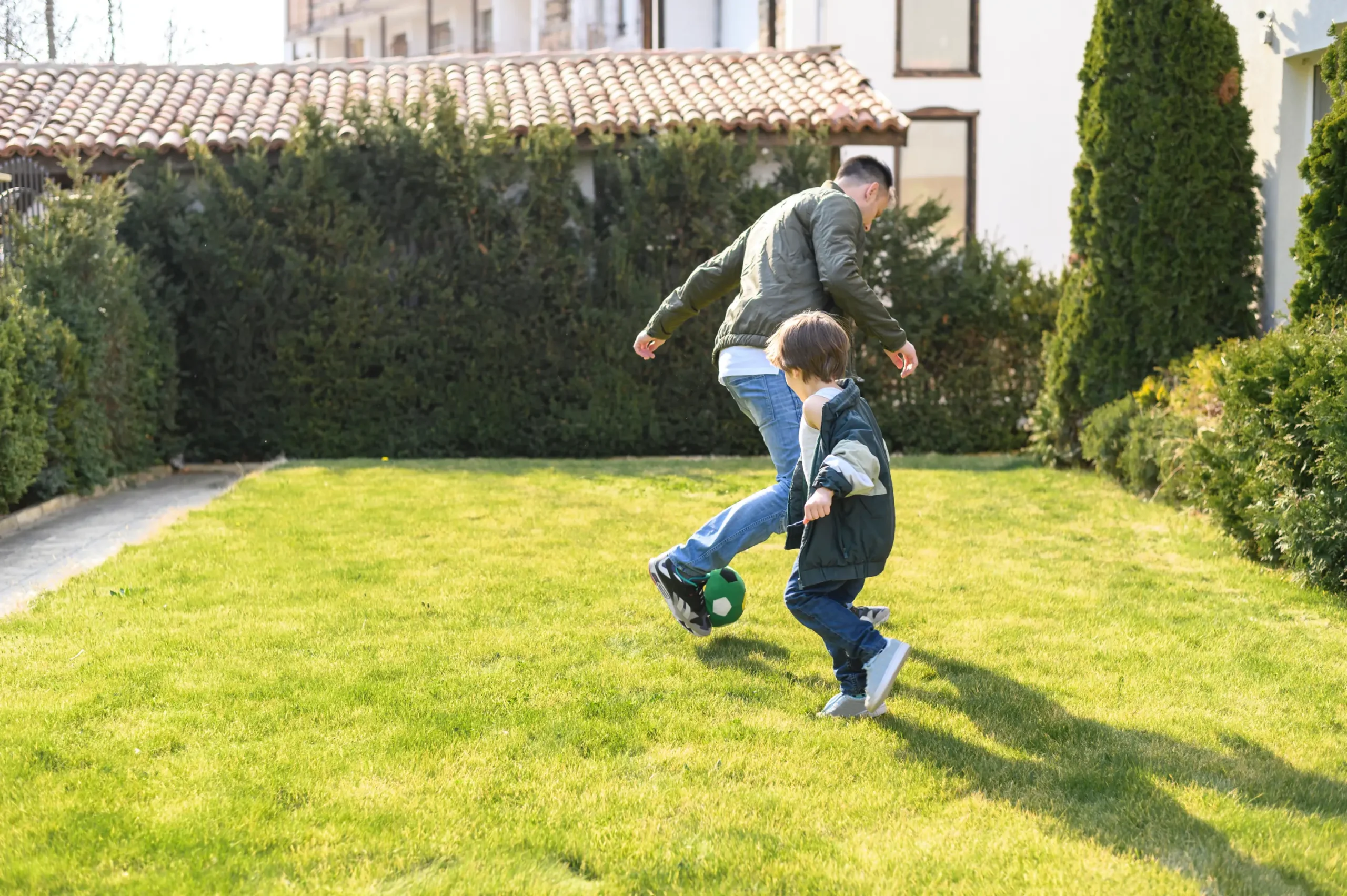
More and more people want landscaping that’s better for the environment, and synthetic turf has become a popular alternative to natural grass. It stays green all year while using a lot less water, fertilizer and other resources, so it’s increasingly seen as a “green” landscaping choice.
But is it really? Let’s take an honest look at whether synthetic turf is an eco-friendly choice for landscaping in Woodland Hills.
Water savings are one of the biggest perks. Traditional lawns need constant watering, especially in dry, drought-prone areas like ours.
Synthetic turf doesn’t need watering at all. You’ll just rinse it now and then to clear dust or debris. No daily or seasonal watering schedule means less demand on local water supplies and a lot more water saved.
That’s a big deal in areas that are already dealing with shrinking water supplies. Here’s more on artificial grass for drought-prone areas.
Natural lawns have some environmental downsides too. Keeping one healthy usually means fertilizers, weed killers and pesticides, and those add to pollution.
These products can seep into the soil and water, which isn’t good for local ecosystems or people. Synthetic turf doesn’t need any of them.
That means cleaner groundwater, and less of the fumes and runoff that come from chemical treatments. It’s a healthier setup for your family, your neighbors and local wildlife.
Regular lawn care, like mowing, trimming and leaf blowing, usually means gas-powered tools that add to emissions and noise.
With turf, there’s no mowing and no fuel needed for upkeep, so you burn a lot less gas taking care of your yard. That really helps cut down the carbon you put into the air.
Fewer tools also means a smaller carbon footprint for homes and businesses. In cities where emissions and noise are a concern, turf is a landscaping option that fits a more sustainable lifestyle.
Another eco-friendly feature is how long turf lasts. A quality install can go anywhere from 10 to 20+ years with proper care. A longer life means fewer replacements and less material used overall. (More on that in our artificial turf lifespan guide.)
Over its lifetime, turf can have a lower environmental cost than a natural lawn that constantly needs water, fertilizer and fuel.
Plus, many modern turf products include recycled materials and can be recycled at the end of their life, which helps even more. As technology improves, more turf is being designed with sustainability and recycling in mind.
When it comes to looking good all year, turf is hard to beat. It cuts out overseeding and the big restoration jobs that waste water and materials.
It also works really well in places like public parks, schools and community sports fields, where real grass often gets worn down to dirt from heavy use. Here’s more on artificial turf for schools and playgrounds.
For most homeowners in Woodland Hills, synthetic turf is a genuinely greener choice than a thirsty natural lawn. It saves water, cuts chemicals and emissions, and lasts for years. If you’d like to make the switch, contact Artificial Turf California today. You can also learn more about eco-friendly landscaping with synthetic grass.

Lorem ipsum dolor sit amet, consectetur adipiscing elit, sed do eiusmod tempor incididunt ut labore et dolore magna aliqua…

February 12, 2025

February 12, 2025
April 10, 2025
April 21, 2025

April 28, 2025