
-
6258 Penfield Ave, Woodland Hills, CA 91367
6258 Penfield Ave, Woodland Hills, CA 91367

The landscaping industry is entering a completely new era driven by sustainability, smart technology, climate-conscious infrastructure, and modern outdoor living trends. By 2030, landscaping will no longer focus only on visual aesthetics. Instead, it will become a combination of intelligent outdoor systems, eco-friendly design, low-maintenance solutions, and sustainable urban planning.
One of the biggest innovations leading this transformation is artificial turf. Modern synthetic grass solutions are changing the way homeowners, architects, businesses, sports facilities, and commercial developers approach outdoor landscaping. Combined with smart irrigation systems, AI-powered outdoor technology, and environmentally responsible infrastructure, artificial turf is expected to become one of the most important components of future landscaping projects.
As water conservation, climate adaptation, and sustainable development become global priorities, the demand for efficient landscaping solutions will continue growing rapidly in the coming years.
Traditional landscaping methods require large amounts of water, continuous maintenance, fertilizers, pesticides, and labor-intensive lawn care. In modern cities and commercial developments, maintaining natural lawns has become increasingly expensive and environmentally challenging.
By 2030, property owners and developers will focus more on:
This shift is encouraging the adoption of artificial turf and modern landscaping technologies that support long-term sustainability goals.
Artificial Turf: The Future of Sustainable Landscaping
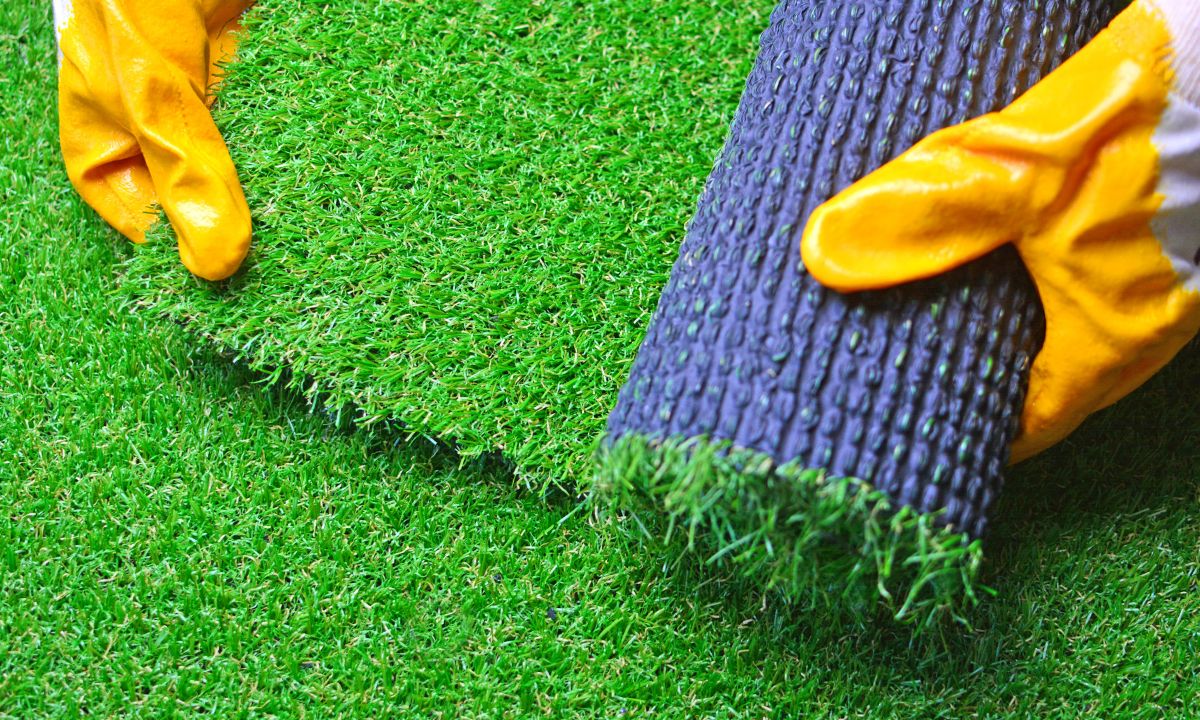
Artificial turf has evolved dramatically over the last decade. Modern synthetic grass products now offer realistic textures, natural color variations, advanced drainage systems, and improved durability.
Unlike older turf systems, next-generation artificial grass is designed to provide:
Artificial turf has become highly popular because it combines visual appeal with practical long-term benefits.
One of the biggest reasons artificial turf is becoming essential for future landscaping is water conservation.
Natural grass consumes thousands of liters of water annually, especially in regions with high temperatures and dry climates. Artificial turf eliminates daily irrigation requirements while maintaining a green appearance throughout the year.
This provides major advantages for:
As governments implement stricter environmental regulations and water conservation policies, synthetic landscaping will continue gaining popularity globally.
The future of landscaping will not rely only on artificial turf. Smart irrigation technology is also expected to revolutionize outdoor maintenance.
Modern smart irrigation systems use:
These technologies help reduce water wastage while maintaining healthier landscapes.
By 2030, many outdoor environments will integrate:
This combination will create highly efficient and environmentally responsible outdoor ecosystems.
Homeowners are increasingly adopting artificial turf because modern lifestyles demand convenience and low-maintenance living.
In 2030, residential landscaping trends will focus heavily on:
Artificial turf helps homeowners maintain attractive outdoor spaces without spending excessive time or money on lawn maintenance.
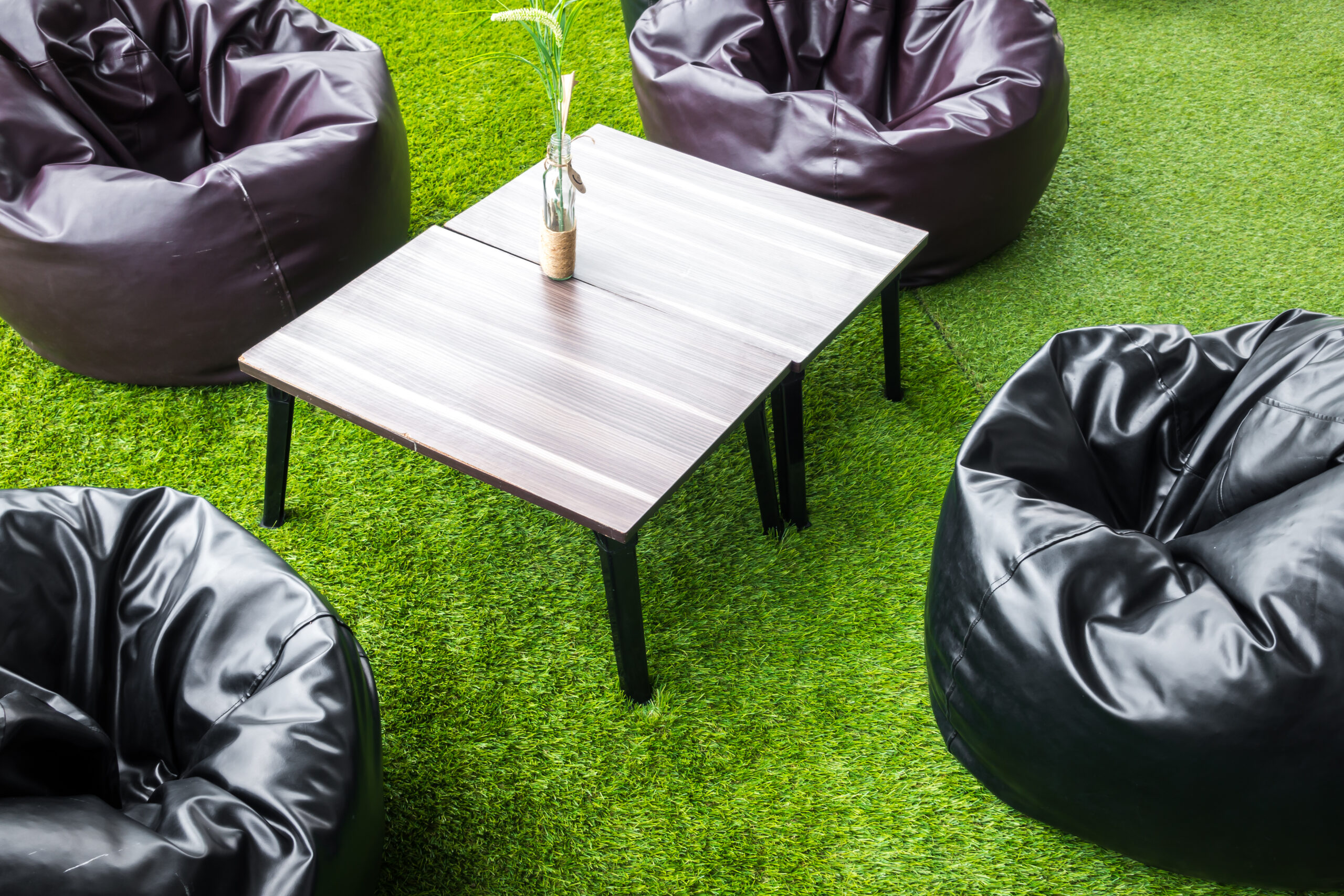
Modern residential projects are now integrating synthetic grass into:
This creates visually appealing outdoor environments with minimal maintenance requirements.
Commercial properties are expected to become one of the largest adopters of artificial turf and smart landscaping technology by 2030.
Hotels, restaurants, office buildings, malls, resorts, and event venues are increasingly using synthetic landscaping because it improves:
Artificial turf creates premium-looking landscapes that remain green throughout the year while reducing landscaping downtime and maintenance expenses.
Businesses are also focusing heavily on “Instagrammable” outdoor environments that attract customers and improve social media engagement. Artificial turf plays an important role in creating modern outdoor experiences that feel luxurious and visually attractive.
Sports infrastructure is another area expected to experience massive innovation by 2030.
Future sports turf systems will include:
Artificial turf will continue dominating:
Modern synthetic turf systems offer consistent playing conditions while reducing weather-related disruptions and maintenance costs.
Climate change is becoming one of the biggest factors influencing future landscaping decisions.
Rising temperatures, water shortages, and urban heat challenges are encouraging governments and developers to adopt sustainable landscaping practices.
Artificial turf supports climate-conscious landscaping by:
As environmental concerns continue growing, artificial turf will become an increasingly important part of eco-friendly outdoor infrastructure.
Urban cities are rapidly expanding vertically due to population growth and limited land availability.
By 2030, rooftop gardens and vertical outdoor spaces will become a major part of modern architecture.
Artificial turf is highly suitable for:
Synthetic turf is lightweight, easy to install, and requires significantly less maintenance compared to natural grass systems.
This makes it ideal for future urban infrastructure projects focused on maximizing usable outdoor space.
The future landscaping industry will combine technology, sustainability, and smart outdoor living.
Some major future landscaping trends include:
These innovations will redefine how residential and commercial properties manage outdoor environments.
Although artificial turf may involve a higher initial installation cost, its long-term financial benefits are substantial.
Property owners save money through:
For commercial spaces, artificial turf also improves operational efficiency while maintaining premium outdoor aesthetics year-round.
As sustainability regulations become stricter, artificial turf investments are expected to become even more valuable.
The future of landscaping in 2030 will be driven by sustainability, technology, and efficient outdoor design. Artificial turf, smart irrigation systems, AI-powered landscaping tools, and climate-conscious infrastructure are transforming how outdoor spaces are designed and maintained.
Artificial turf is no longer simply an alternative to natural grass. It has become a critical component of future-ready landscaping because it combines water efficiency, low maintenance, durability, and modern aesthetics.
From luxury villas and commercial developments to rooftop gardens and sports infrastructure, artificial turf will continue shaping the future of outdoor living and sustainable urban design for years to come.
Is artificial turf environmentally friendly?
Yes, artificial turf helps reduce water consumption, fertilizer dependency, and landscaping waste, making it more sustainable than traditional lawns.
How long does artificial turf last?
High-quality artificial turf can last 15–20 years depending on usage, product quality, and installation standards.
Will smart irrigation replace traditional watering systems?
Yes, smart irrigation systems are expected to become the standard in future landscaping because they improve water efficiency and automate outdoor maintenance.
Is artificial turf suitable for rooftop landscaping?
Yes, artificial turf is ideal for rooftops because it is lightweight, visually attractive, and easier to maintain than natural grass.
Why is artificial turf becoming popular in commercial spaces?
Commercial properties prefer artificial turf because it reduces maintenance costs, improves outdoor aesthetics, and supports sustainability goals.
Can artificial turf handle extreme weather conditions?
Modern artificial turf systems are designed with UV protection, advanced drainage, and heat-resistant technology to perform well in different climates.
What are the biggest landscaping trends for 2030?
Major landscaping trends include smart irrigation, AI-powered maintenance, sustainable outdoor design, rooftop gardens, eco-friendly artificial turf, and climate-adaptive landscaping systems.

Lorem ipsum dolor sit amet, consectetur adipiscing elit, sed do eiusmod tempor incididunt ut labore et dolore magna aliqua…

February 12, 2025

February 12, 2025
April 10, 2025
April 21, 2025

April 28, 2025