• 6258 Penfield Ave, Woodland Hills, CA 91367

Artificial Turf Lifespan: What Determines How Long Synthetic Grass Lasts

Artificial Turf Lifespan: What Determines How Long Synthetic Grass Lasts

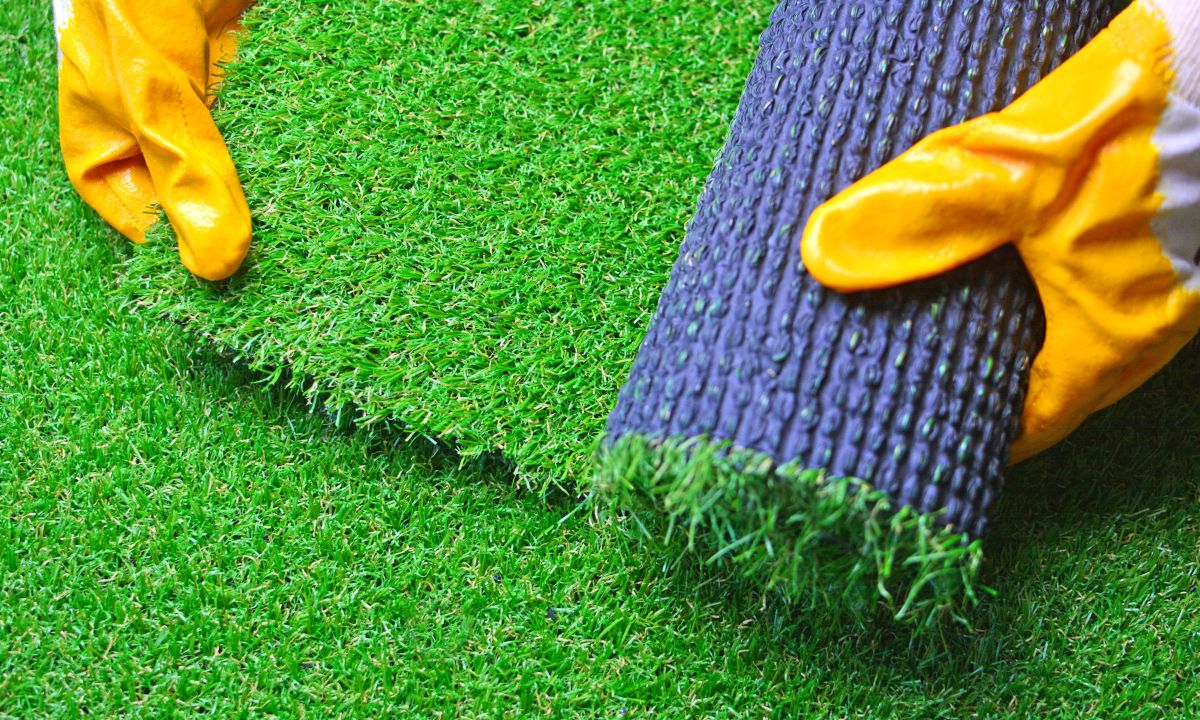
One of the first questions people ask before getting artificial turf is pretty simple: how long will it last?

The honest answer is that there’s no fixed number. How long your turf lasts depends on a bunch of things working together, from the quality of the materials to how it’s installed and looked after.

Knowing what those factors are helps you set realistic expectations and figure out the real value of turf as a long-term investment.

Fiber Quality: Where It All Starts

The fibers make a huge difference in how long your turf keeps looking and performing like new. Good fibers bounce back after people walk on them, don’t mat down easily and keep their shape for years. Cheaper fibers flatten quickly, lose their spring and start looking worn much sooner.

Premium artificial turf usually uses advanced polyethylene blends that are soft but strong. They’re made to handle walking, playing, pets and outdoor furniture without breaking down early. With poor-quality fibers, even a great install can start looking tired within a few years.

UV Resistance: Protection From the Sun

The sun is one of turf’s biggest enemies, especially somewhere as sunny as California. Without good UV protection, synthetic grass can fade, get brittle and weaken over time.

Quality turf has UV inhibitors built in to protect the fibers from long hours in the sun. They help keep the color, flexibility and strength intact. Turf without enough UV protection might look fine at first, but it can break down much faster, especially in spots that get full sun most of the day.

In the long run, UV-resistant turf keeps looking natural, and that has a direct effect on how long it looks “new” instead of old and faded. Wondering how turf handles our summers? Read how artificial turf performs in California summers.

Infill: More Than Just Weight

Infill doesn’t get much attention, but it plays a big part in how well turf holds up. It supports the fibers, helps them stand up straight and absorbs some of the impact from foot traffic.

The right infill takes stress off the fibers and cuts down on early wear. It also helps with drainage and keeps everything stable so you don’t get shifting or uneven spots. The wrong infill can lead to flat grass, extra heat and faster fiber breakdown, all of which shorten your turf’s life.

Pick the right infill for your climate, how you use the space and your turf product, and you’ll get noticeably better performance over time. Here’s more on how the layers of artificial turf work.

Installation Quality: Where Lifespan Is Won or Lost

Even the best turf will fail early if it isn’t installed properly. The install affects everything: drainage, stability and overall durability.

A well-prepped base stops sinking, rippling and uneven wear. Good seam placement keeps sections secure and invisible over time. Proper edge anchoring stops the turf from lifting or shifting.

When installers cut corners, problems usually show up within the first few years, no matter how good the turf is. A professional install, on the other hand, can help your turf reach or even beat its expected lifespan. Here’s our guide on how to choose the right turf installer.

How Much It’s Used

Turf in a quiet backyard will naturally last longer than turf in a busy playground, dog run or commercial space. The more it’s used, the faster the fibers compress and wear.

That doesn’t mean turf is a bad idea for busy areas. It just means your expectations should match. Turf made for sports or pets, paired with the right infill and install, can still perform well for years under heavy use.

Thinking about how the space will actually be used helps you pick the right turf for the job.

Realistic Expectations and Long-Term Value

On average, well-made turf that’s installed properly lasts anywhere from 10 to 15 years, and sometimes longer. The key thing to remember is that lifespan isn’t decided by one factor. It’s all of them working together.

Spending a bit more on quality materials, good UV protection, the right infill and a professional install usually costs less over the long run. Turf that lasts longer, looks better and needs fewer repairs is worth a lot more than a cheap option you have to replace after a few years. For pricing, see our artificial turf cost guide.

Final Thoughts

Turf lifespan isn’t just about how long it stays in the ground. It’s about how long it keeps looking good, feeling comfortable and doing its job. Fiber quality, UV resistance, infill, installation and how much it’s used all play a part.

Think about these things from the start, and synthetic grass becomes a reliable long-term solution, not a short-term fix. A little basic care helps too, so check out our artificial turf maintenance guide.

Frequently Asked Questions

How long does artificial turf usually last?

Most quality turf lasts between 10 and 15 years when it’s installed properly and used as intended. In quiet backyards it can last even longer, while busy spaces may show wear sooner.

Does artificial turf fade in the sun?

Turf with good UV resistance is made to resist fading for many years. Turf without strong UV protection can lose its color, get brittle and break down faster in constant sun.

What causes artificial turf to wear out faster?

Usually it’s a mix of low-quality fibers, a poor install, the wrong infill, heavy use and lots of sun without UV protection. When these stack up, aging shows up much earlier.

Does infill affect the lifespan of synthetic grass?

Yes, a lot. The right infill supports the fibers, takes stress off them and keeps everything stable. The wrong infill can lead to flat grass and faster wear.

Can artificial turf last longer with proper maintenance?

Definitely. Basic care like brushing the fibers upright, keeping debris off and checking infill levels helps it last longer and look better.

Is artificial turf suitable for high-traffic or pet areas?

Yes, as long as the turf, infill and install are chosen for heavy use. Just expect these areas to show wear a bit sooner than a low-use lawn.

Is it worth paying more for higher-quality artificial turf?

In most cases, yes. Better turf usually means tougher fibers, stronger UV protection and a longer life, which gives you more value than a cheap product that needs replacing early.
Understanding Artificial Turf Layers: What’s Beneath the Grass Matters

Understanding Artificial Turf Layers: What’s Beneath the Grass Matters

When most people think about artificial turf, they think about how the grass looks on top. But how well your turf actually performs depends on what’s underneath it.

California’s weather is all over the place: coastal moisture, Central Valley heat and the occasional heavy rain. That’s why proper layering isn’t optional here. It decides how long your turf lasts, how well it drains and whether it stays smooth or starts falling apart in a few years.

Let’s break down each layer under your turf and why each one matters.

Artificial Turf Is a System, Not Just Grass

Think of turf like a house. The fibers are the roof, and the layers underneath are the foundation.

If the foundation is weak, even the best turf won’t hold up. Here’s what a properly installed turf system looks like, layer by layer.

Layer 1: Base Prep (The Foundation)

What it is: A compacted base made from crushed stone or decomposed granite.

Why it matters: This layer holds up foot traffic and furniture, stops sinking, shifting and uneven spots, and keeps the surface level for years.

If it’s done wrong:

  • You’ll get dips and wrinkles
  • Puddles form after rain
  • The edges start lifting over time

✔ Good base prep is the number one factor in how long turf lasts.

Layer 2: Drainage (Water Control)

What it is: A permeable layer that moves water away from the turf quickly.

Why it matters in California: Even in drought years, we still get heavy winter rain, sudden downpours and overspray from sprinklers nearby.

Good drainage stops water from pooling, prevents odors from building up and protects the turf backing from moisture damage. Poor drainage, on the other hand, leads to standing water, mud under the turf and materials breaking down faster.

Layer 3: Weed Barrier (The Quiet Hero)

What it is: A fabric layer between the soil and the base.

What it does: It blocks weeds from growing up from below, stops roots from pushing through the turf and cuts down on long-term maintenance.

Common mistake: Skipping the weed barrier to save time or money. It almost always leads to weed problems later, especially in warm areas. If you’re already seeing weeds, check out common artificial turf problems and how to fix them.

Layer 4: The Turf Backing

What it is: The underside of the turf that holds the grass fibers in place.

Why it matters: Quality backing drains properly, resists cracking in the heat and holds seams securely.

In hot areas like Los Angeles and the Central Valley, cheap backing can fail faster, especially without good support layers under it.

Layer 5: Infill (The Performance Layer)

What it is: Material brushed into the turf fibers after installation.

Common types:

  • Silica sand
  • Acrylic-coated sand
  • Cooling or specialty infill

Why it matters: Infill keeps the blades standing up, adds weight and stability, helps drainage and can even lower surface heat. (More on that in does artificial turf get hot?)

The wrong infill means flat grass, extra heat and a shorter lifespan.

Why Proper Layering Pays Off Long-Term

When all the layers work together, your turf drains well, handles heavy foot traffic, stays smooth and level, and lasts 10 to 15 years or more. Here’s more on what affects artificial turf lifespan.

But when even one layer is skipped or done poorly, problems usually show up within the first 12 to 24 months.

Quick Layer Checklist

✔ Compacted base
✔ Working drainage system
✔ Weed barrier installed
✔ Quality turf backing
✔ The right infill

Miss one and performance drops fast.

Why Few People Talk About What’s Underneath

Most turf blogs talk about grass height, color and how it looks. Very few explain what actually keeps turf working for the long haul.

That’s why understanding the layers gives you a real edge when you’re choosing turf or comparing installers. It helps you ask the right questions. (Here’s our guide on how to choose the right turf installer.)

Final Takeaway

Great turf doesn’t start with the grass. It starts below it.

If you’re investing in artificial turf in California, make sure your installer focuses on proper layering, drainage and base prep, not just how it looks on day one. A solid foundation means fewer repairs, better performance and years of worry-free use.

That’s the approach we take on every professional synthetic turf installation at Artificial Turf California.

The Hidden Heat Issue: How Artificial Turf Performs in California Summers

The Hidden Heat Issue: How Artificial Turf Performs in California Summers

Artificial turf is a hit all over California, from home lawns and playgrounds to dog runs and business landscapes. It saves water, cuts maintenance and stays green all year.

But here’s the thing a lot of homeowners don’t think about until summer hits: heat. Especially in Los Angeles and the Central Valley, turf can get seriously warm.

This guide covers why turf heats up, how that affects people and pets, and what you can actually do to keep it cooler in hot California weather.

Why Does Artificial Turf Get Hot in California?

Artificial turf is made from synthetic materials like polyethylene and polypropylene. These soak up and hold onto heat, especially in direct sun.

In places like Los Angeles, the Inland Empire and the Central Valley (Fresno, Bakersfield, Modesto), summer days often hit 95–105°F. In full sun, the turf surface can get 30–60°F hotter than the air around it.

For example, if it’s 95°F outside, turf can reach 130–155°F without any cooling.

How Turf Heat Affects People and Pets

1. It Can Be Uncomfortable to Walk and Play On

Hot turf can feel uncomfortable or even painful on bare feet. That makes it tough to walk barefoot, let the kids play safely or use the backyard in the middle of the day.

2. It’s a Real Risk for Pets

Dogs and cats have it worse. Hot turf can burn paw pads, raise the risk of overheating or heat exhaustion and cut down on their outdoor time in summer afternoons.

3. You Might Only Use It Early or Late

Without some cooling strategies, you may find yourself only using the turf area in the early morning or late evening.

How to Keep Artificial Turf Cooler in California

The good news? There are proven ways to keep turf cooler, even in extreme heat. (We’ve got an even longer list in does artificial turf get hot? solutions that work.)

1. Go With Heat-Reducing “Cool Turf”

Turf made for hot climates reflects more sunlight, absorbs less heat and stays cooler than older styles. It’s especially worth it for Southern California and Central Valley installs.

2. Use the Right Infill

Infill has a big effect on how much heat your turf holds. Better options for hot weather include acrylic-coated sand, organic or cooling infill blends, and heat-reflective infill products.

Skip cheap rubber infill in spots that get intense sun.

3. Add Some Shade

Shade can drop turf temperatures a lot. Think pergolas, shade sails, trees or other landscape structures. Even partial shade can lower the surface heat by 20–30°F.

4. Give It a Quick Spray

A quick spray with the hose cools the surface instantly and makes it comfortable for a while. It’s a go-to trick in Los Angeles backyards and pet areas on the hottest days.

For more ideas, check out our full guide on heat management for synthetic grass.

Is Artificial Turf Still a Good Choice for California?

Yes, as long as it’s installed properly and chosen with the climate in mind.

Turf is still a smart pick for saving water during droughts, keeping maintenance low, and for homes, schools and businesses all over the state. The trick is choosing the right turf and heat-reducing setup for where you live. Our post on how long artificial turf lasts in California covers how the sun affects durability too.

Where Heat-Ready Turf Matters Most in California

Heat planning really pays off in:

  • Los Angeles and Orange County (both coastal and inland heat zones)
  • Central Valley cities (Fresno, Bakersfield, Stockton)
  • Inland Empire (Riverside, San Bernardino)
  • Sacramento Valley

Local climate matters. What works fine by the coast might not be enough further inland.

Frequently Asked Questions

Does artificial turf get hotter than natural grass?

Yes. In direct sun, turf can get a lot hotter than real grass, especially during hot California summers.

How hot can artificial turf get in Los Angeles?

On a 95°F day, unshaded turf in LA can hit 130–150°F.

Is artificial turf safe for pets in hot weather?

It can be, as long as you use heat-reducing steps like cooling infill, shade and a quick spray of water before playtime.

How can I cool down artificial turf quickly?

A light spray of water is the fastest way to cool it down before walking on it or letting the kids and pets out.

Final Thoughts

Artificial turf is a great landscaping choice for California, but don’t ignore the summer heat. Pick the right materials, infill and shade, and you’ll have a comfy, pet-friendly turf lawn that lasts, even in the hottest months. Need help choosing a cooler turf? Talk to our team.

How Long Does Artificial Turf Last in California? Durability Guide

Artificial Turf in California

Artificial turf is everywhere in California now, from drought-hit SoCal neighborhoods to busy commercial properties in the Bay Area. If you’re thinking about artificial turf in California, there’s one question you’ll definitely want answered: how long does it actually last?

The short answer: good-quality artificial turf usually lasts 15–25 years in California when it’s installed and looked after properly. That said, climate, how much it’s used, material quality and the install all affect how long yours will really last.

Here’s everything homeowners, property managers and businesses need to know about turf durability, based on real-world experience and practical tips.

Turf Lifespan in California: The Quick Version

  • Artificial turf in California typically lasts 15–25 years
  • How long it lasts depends on turf quality, climate, foot traffic, installation and ongoing care
  • Our strong sunshine makes UV-resistant fibers a must
  • Premium turf is built to resist fading, cracking and fiber breakdown
  • Good base prep and drainage help it last longer
  • Regular brushing and cleaning help it reach its full lifespan

Typical Lifespan by Use

  • Home lawns (light to moderate foot traffic): 20–25 years
  • Pet areas (daily use, more moisture and waste): 15–20 years
  • Commercial landscaping (steady foot traffic, heavier wear): 12–20 years
  • Sports and play areas (repetitive, high-impact use): 8–15 years

What Affects How Long Turf Lasts

1. California Climate and UV Exposure

California’s weather is both a plus and a challenge for turf. Strong UV rays can weaken cheaper fibers, coastal areas deal with salt air and moisture, and inland areas face extreme heat and dry spells.

Quality turf made for California has UV stabilizers built in to stop fading and brittleness. For more on summer performance, read how artificial turf performs in California summers.

2. Turf Material Quality

Not all turf holds up the same way. Good turf usually has soft but tough polyethylene fibers, a mix of blade shapes for strength, dense construction and reinforced backing.

Lower-grade turf can flatten fast, fade unevenly or get brittle in the heat.

3. Installation Quality

The install makes a huge difference. A proper one includes excavation and grading, a compacted aggregate base, good drainage planning and secure edging and seams. Here’s a closer look at what goes into each turf layer.

A sloppy install can lead to bumps, drainage problems and early wear.

4. Foot Traffic and How Much It’s Used

The more a turf area gets used, the faster it wears. Light home use barely stresses it, pets and kids compress the fibers more, and commercial spaces see constant wear.

For busy spots, shorter pile heights and denser turf hold up better.

5. Maintenance

Turf doesn’t need much, but basic care matters. Brush the fibers to keep them standing up, clear leaves and dirt, rinse off dust now and then and use a deodorizer in pet areas.

Doing this consistently can add several years to your turf’s life. Our synthetic turf maintenance guide walks you through it.

Artificial Turf vs Natural Grass in California

With California’s never-ending water worries, turf is a really practical alternative to grass. There’s no watering, no fertilizers or pesticides, no mowing or gas-powered equipment, and it looks the same all year.

Over time, it cuts your water use and landscaping costs in a big way. For a full side-by-side, check out synthetic grass vs natural grass.

Signs Your Turf Is Near the End of Its Life

Even well-kept turf eventually wears out. Watch for:

  • Fibers that stay flat even after brushing
  • Obvious fading or discoloration
  • Layers starting to separate
  • Drainage problems
  • Smells that won’t go away even after cleaning

If you’re seeing these across large areas, replacing the turf may make more sense than repairing it. For smaller issues, see common artificial turf problems and how to fix them.

How to Make Your Turf Last as Long as Possible

Our Top Tips

  1. Pick turf designed for California’s climate
  2. Match the turf type to how the space will be used
  3. Make sure the base is prepped properly during install
  4. Brush regularly to keep the fibers in shape
  5. Avoid reflective surfaces nearby (like some windows) that can cause heat damage

Cost vs Longevity: Is Turf Worth It?

Turf costs more upfront, but the long-term savings are real: lower water bills, no lawn care costs, less time and money spent on maintenance, and a yard that always looks good.

Lots of property owners see a return on their investment within 5–7 years. For actual pricing, take a look at our artificial turf cost guide.

FAQ

How long does artificial turf last in California?

Most quality turf lasts 15–25 years in California with a proper install and regular care.

Does heat damage artificial turf?

Premium turf is built to handle the high temperatures and strong UV that are common in California.

Is artificial turf safe for pets?

Yes. Pet-friendly turf is tough, non-toxic and designed for good drainage and odor control.

Does artificial turf require maintenance?

Just a little: some brushing, clearing debris and an occasional rinse.

Final Thoughts

Installed right and looked after, artificial turf in California is a durable, low-maintenance option that can last for decades. With lifespans of 20 years or more, it’s a smart choice for homeowners and businesses who want to cut water use, maintenance and long-term costs.

Choosing the right turf and a professional install is how you get the most value out of it. Ready to start? Get a free estimate from our team.

Choosing the Right Type of Artificial Turf for Your Tarzana Landscape

artificial turf installation in Tarzana

Artificial turf has become one of the most popular landscaping choices in Tarzana, and it’s easy to see why. More and more homeowners are swapping natural grass for synthetic lawns because they’re low maintenance, tough and look great. But picking the right type of turf for your yard really matters if you want it to suit how you live, look natural and last for years.

At Artificial Turf California, we handle professional artificial turf installation in Tarzana. This guide breaks down the different types of artificial grass and how to pick the best one for your yard.

Why Picking the Right Turf Matters

Not all turf is the same. Differences in pile height, material, texture and density change how it looks, feels and performs. Pick the wrong one and you could end up with a lawn that:

  • Feels stiff or uncomfortable underfoot
  • Drains poorly after rain
  • Wears out fast in busy areas
  • Looks fake instead of natural

Get it right, and your Tarzana yard stays lush, soft and low maintenance for years.

1. Think About How You’ll Use Your Lawn

Start with how your yard actually gets used:

  • Family yards: Go for soft, durable turf that’s safe for kids to play on.
  • Pet areas: Pick turf with great drainage to handle pet waste.
  • High-traffic areas: Choose dense, heavy-duty turf that won’t flatten easily.
  • Decorative spots: Look for realistic turf with natural color variation.

Knowing what the space is for helps you find turf that balances comfort, durability and looks.

2. Consider Pile Height

Pile height is just the length of the grass blades. The usual options:

  • Short pile (1–1.5 inches): Great for putting greens or low-use areas. (Thinking about a green? Here’s how to design the perfect backyard putting green in Tarzana.)
  • Medium pile (1.5–2 inches): Works for most lawns, with a natural look and comfy feel.
  • Long pile (2–2.5 inches): Looks lush and luxurious, but needs more brushing to stay upright.

For most Tarzana yards, a medium pile is the sweet spot for comfort and practicality.

3. Choose the Right Material

Turf is usually made from polyethylene, polypropylene or nylon, and each one behaves a bit differently:

  • Polyethylene: Soft, realistic and durable. Best for lawns and play areas.
  • Polypropylene: Cheaper but less durable. Fine for decorative areas.
  • Nylon: Very strong but stiff. Mostly used in busy commercial spaces.

For homes in Tarzana, polyethylene turf gives you the best mix of softness, durability and natural looks.

4. Check for UV Resistance

Tarzana gets strong sun pretty much all year, so UV-resistant turf is a must. Quality turf is treated to resist fading and sun damage, so your lawn stays bright and green for years. Here’s more on how artificial turf holds up in Tarzana heat.

5. Look at Drainage

Good drainage is key wherever there’s rain or sprinkler overspray. Your turf should have:

  • Perforated backing: So water flows through easily.
  • A proper base: So water drains away, preventing puddles and mold.

Drainage matters even more if you’ve got pets, a pool area or a spot that gets a lot of rain.

6. Think About Maintenance

All turf is low maintenance, but some types need a little more care than others. For example, long, soft grass may need regular brushing so it doesn’t mat down, and turf in busy areas may need infill to keep the blades standing up.

Knowing this upfront helps you choose turf that fits your lifestyle.

7. Don’t Forget About Looks

Finally, think about how it looks. Good artificial grass mimics real grass with several shades of green, some brown or tan thatch for realism and soft, natural-looking blades.

At Artificial Turf California, we make sure your Tarzana lawn looks natural, lush and professionally done.

FAQs

How do I know which turf type is best for my yard?

Think about what the yard is used for, how much traffic it gets, whether you have pets and the look you want. Medium-pile polyethylene works for most home lawns.

Can artificial turf be installed on slopes or uneven ground?

Yes. A professional install makes sure the ground is leveled and drains properly.

How long does artificial turf last?

With a proper install, turf can last 10–15 years or more. Here’s more on artificial turf lifespan.

Does artificial turf get hot in the sun?

Quality turf with heat-resistant tech stays cooler, and a quick rinse helps on really hot days.

Is artificial turf safe for children and pets?

Yes. Modern turf is non-toxic, soft and made for safe play.

Final Thoughts

Choosing the right type of turf is the key to a beautiful, practical, long-lasting lawn in Tarzana. Think about pile height, material, drainage, UV resistance and how you’ll use the space, and you’ll land on turf that ticks every box.

At Artificial Turf California, we specialize in artificial turf installation in Tarzana. We make sure your lawn is installed properly, drains well and stays green for years.

Ready to find the perfect turf for your Tarzana yard? Let’s get started!

Top 7 Benefits of Installing Artificial Turf in Your Tarzana Yard

artificial turf installation in Tarzana

Tired of spending hours on your lawn in Tarzana? Between mowing, watering and fighting patchy grass, keeping a natural lawn going is exhausting and expensive. The good news is that artificial turf gives you a low-maintenance, long-lasting yard that looks great all year.

At Artificial Turf California, we specialize in artificial turf installation in Tarzana, turning outdoor spaces into lush, green yards with almost no effort. Here’s why more Tarzana homeowners are making the switch.

1. Save Time on Lawn Care

This is the obvious one: way less maintenance. Say goodbye to weekly mowing, fertilizing and watering. Turf stays green on its own, so you get to enjoy your yard instead of working in it.

No more stressing about weeds, brown patches or uneven growth. With a professional install, your Tarzana yard looks great all year.

2. Big Water Savings

Southern California summers are hot, and keeping a real lawn green can take hundreds of gallons of water a month. Turf doesn’t need watering, which means you:

  • Save water
  • Cut your water bills
  • Do your part for eco-friendly landscaping

It’s a smart move for sustainable living in Tarzana and nearby areas.

3. Great for Families and Pets

Turf is safe, tough and non-toxic, so it’s perfect for families with kids and pets. The kids can play all they want, and the dog can run around without wrecking the lawn.

Good turf also drains really well, so water and pet waste pass right through, keeping your yard clean and hygienic.

4. Looks Great All Year

Unlike real grass, turf stays green, lush and even every season. Whether it’s a scorching Tarzana summer or a rare rainy week, your yard always looks professionally landscaped.

You get that vibrant look without chemical fertilizers or pesticides, and your curb appeal gets an instant boost. Here’s more on how artificial turf boosts curb appeal.

5. Tough and Long-Lasting

Turf is built to handle heavy foot traffic, pets and outdoor fun. It won’t go patchy, muddy or worn out like real grass.

With a proper install from Artificial Turf California, your Tarzana yard can keep looking great for 10–15 years or more, which makes it a smart long-term investment. Curious how it handles the local heat? Read how artificial turf holds up in Tarzana’s heat and sun.

6. Eco-Friendly Landscaping

Turf helps make your yard greener in a few ways:

  • It cuts water use
  • It means no fertilizers or pesticides
  • It gets rid of gas-powered mowers and other equipment

You get a more sustainable yard and still enjoy a beautiful lawn.

7. Saves Money Over Time

Turf might cost more upfront than natural grass, but it pays off. With no watering, mowing or lawn repair costs, your yard expenses drop a lot.

Once you add up maintenance, water bills and lawn care products, turf quickly turns out to be the cheaper, easier option for Tarzana homeowners. For more on choosing the right product, check out our guide to choosing the right artificial turf for your Tarzana landscape.

FAQs About Artificial Turf Installation in Tarzana

Can artificial turf handle the hot Tarzana weather?

Yes! Quality turf is UV-resistant and built to stay vibrant in hot climates. Some products also come with cooling technology.

Is artificial turf safe for children and pets?

Absolutely. It’s non-toxic, tough and safe for play areas.

How long does artificial turf last?

With a proper install, turf can last 10–15 years or more.

Does artificial turf require watering?

No. An occasional rinse to clear dust or debris is all it needs.

Can artificial turf improve my home’s appearance?

Yes. A lush, green yard boosts curb appeal and gives your home a well-kept look all year.

Final Thoughts

Putting artificial turf in your Tarzana yard is a smart investment if you want a beautiful, low-maintenance and durable lawn. From saving time and water to giving kids and pets a safe place to play, the benefits really add up.

At Artificial Turf California, we specialize in professional artificial turf installation in Tarzana. We make sure your yard looks great, drains properly and stays green for years.

Ready to upgrade your Tarzana yard and enjoy a lush, low-maintenance lawn all year round? Let’s talk.

DIY vs Professional Installation: What’s Best for Your Turf Project?

synthetic grass installation

Should you install your turf yourself or hire a pro? It’s one of the biggest decisions you’ll make when planning a synthetic grass installation. The answer affects your cost, how it looks, how long it lasts, how much maintenance it needs and even how safe the space is. Whether it’s a home lawn, a dog run or a commercial space, knowing the pros and cons of each helps you get the best result.

Here’s an honest breakdown based on real install experience and industry best practices.

What Makes a Turf Install Succeed?

Before comparing DIY and pro installs, it helps to know what actually decides how well turf performs:

  • How well the base is prepped
  • How well it drains
  • The turf you choose
  • Using the right infill
  • Tight seams and secure edges
  • Knowing your local soil and climate

Even the best turf fails if it’s not installed properly. (Here’s a closer look at what goes into each turf layer.) With that in mind, let’s look at both options.

DIY Synthetic Grass Installation

The Upsides of DIY

DIY can be tempting if you like hands-on projects and want to save money. Here’s what’s good about it:

1. Lower upfront cost. Labor is often 50–70% of the total cost, so doing it yourself can save a lot.

2. You’re in control. You pick the timeline, materials and layout, with no waiting on contractors.

3. It feels great to finish. Completing your own turf project can be really rewarding, especially for small, simple spaces.

The Downsides of DIY

DIY looks simple, but turf installation is more technical than it seems.

1. Base prep mistakes cause long-term problems. Poor compaction leads to bumps, drainage issues, wrinkles and early wear.

2. You’ll need special tools. Pros use plate compactors, turf cutters, power brooms, stretching tools and spiked rollers, and you’ll probably have to rent them.

3. Seams are tricky. Badly lined-up seams are easy to spot and hard to fix.

4. No install warranty. If the turf fails because of the install, the repair or replacement comes out of your pocket.

If you do decide to go the DIY route, our guide on how to lay artificial grass step by step will help.

Professional Synthetic Grass Installation

The Upsides of Hiring a Pro

For most homeowners, especially on medium or large projects, hiring licensed installers is the way to go.

1. Expert base prep. Pros know grading, drainage and compaction inside out, so your surface stays stable for years.

2. Better results. You get a smooth surface, tight seams, secure edges and evenly spread infill.

3. Access to better materials. Many contractors use turf products you can’t buy at the store.

4. Durability and warranties. Pro installs usually come with both installation and manufacturer warranties.

5. It’s done fast. A job that might take you three weekends can be done by pros in a day or two. (Here’s a typical synthetic turf installation timeline.)

The Downsides of Hiring a Pro

1. Higher upfront cost. Quality work is an investment.

2. Less scheduling flexibility. Installers can get booked up during busy seasons.

3. Less hands-on control. You follow the installer’s process, though that’s usually a good thing.

Cost Comparison: DIY vs Professional

DIY: What It Costs

  • Lower upfront cost (usually $2–$7 per sq. ft. for materials)
  • You’ll need to rent tools (compactors, cutters, power broom)
  • Costs go up if mistakes mean redoing work
  • No warranty
  • Higher risk of maintenance issues from install mistakes

Professional: What It Costs

  • Higher upfront cost (usually $8–$20 per sq. ft. including labor and materials)
  • Tools and equipment are included
  • Lower long-term costs thanks to fewer mistakes
  • Includes an install warranty and often a manufacturer warranty
  • Longer-lasting results mean fewer repairs or replacements

For more detail, see our artificial turf cost guide.

When DIY Makes Sense

DIY can work if:

  • The project is small (under 300 sq. ft.)
  • The ground is already flat and well-graded
  • You’re comfortable renting and using tools
  • A perfect finish isn’t critical
  • You enjoy hands-on home projects

Good DIY spots include balconies, small pet areas, play areas and temporary turf setups.

When a Pro Is the Better Choice

Go professional if:

  • The area is large or uneven
  • You need drainage solutions
  • You want clean seams and results that last
  • The turf will get heavy use from pets, kids or foot traffic
  • You want the peace of mind of a warranty

Not sure who to call? Here’s our guide on how to choose the right turf installer.

What Homeowners Often Overlook

  • Base depth matters: Most projects need 3–4 inches of compacted crushed rock.
  • Weed barriers help: A good weed barrier stops unwanted growth.
  • Drainage needs a plan: Slope, soil type and runoff all affect performance.
  • Climate matters: Heat, sun and soil conditions all affect which turf is best.

FAQs

Is DIY turf installation cheaper than hiring professionals?

Upfront, yes. But long-term costs can climb if mistakes cause drainage or surface problems.

How long does professional turf installation take?

Most pro installs take 1–2 days, depending on yard size and how much prep is needed.

Do I need special tools for DIY turf installation?

Yes. You’ll need a plate compactor, utility knife, rake, seam tape, infill spreader and a power broom.

Do professionals provide warranties?

Reputable installers usually offer an installation warranty plus the manufacturer’s warranty.

Final Thoughts

Choosing between DIY and professional synthetic grass installation comes down to your budget, skills and the results you’re after.

  • DIY works best for small, simple projects.
  • A pro install is the smarter choice for quality that lasts, better drainage and a flawless finish.

If you want your turf to look amazing and last for years, hiring a pro is usually the best investment.

Ready to start your project? Get a free quote from our team today.

Heat Management for Synthetic Grass: Staying Cool in the California Sun

synthetic grass installation

California sunshine makes outdoor living great pretty much all year. But if you’ve got artificial turf, it also brings one big question. People love synthetic grass installation for how it looks and how little work it needs, but they also want to know: how do you keep turf cool on hot summer days?

This guide covers why turf heats up, practical fixes, heat-resistant turf options and the strategies pro installers recommend. Whether you’re planning a new lawn or upgrading an old one, knowing how to manage heat will help you get the most out of it.

Why Synthetic Grass Gets Hot in California

Turf doesn’t cool itself the way real grass does. Instead, it soaks up sunlight, especially infrared (IR) radiation, which pushes the surface temperature up. On a 95°F summer day in Southern California, turf can hit 140°F or more, depending on the material and color.

What Makes Turf Hotter

  • Lots of direct sun
  • Darker turf colors
  • Low-quality polyethylene fibers
  • Dense infill with heat-absorbing minerals
  • Poor airflow around the area

How Heat Affects Everyday Use

Too much heat can make turf uncomfortable to walk or play on, cut down on how long kids and pets can be outside, and wear out lower-quality fibers faster over time. (We cover the basics in does artificial turf get hot?)

How Cooling Turf Actually Works

Knowing how cooling tech works helps you pick the right turf system. Manufacturers have come up with a few smart ways to fight heat.

1. Infrared-Reflective (IR) Turf

A lot of premium turf uses IR-reflective pigments in the fibers. They cut down how much infrared radiation the turf absorbs, which can lower temperatures by 15–20% compared to standard turf.

2. Cooling Infill

Infill sits between the blades and has a big effect on temperature. Common options:

  • Silica sand: Basic and budget-friendly. Offers very little cooling but works for general use.
  • EnviroFill®: Moderate cooling, antimicrobial and long-lasting with low maintenance.
  • T°Cool® infill: Strong cooling performance. Works best when it gets a little water now and then.
  • Coconut or cork infill: Natural and eco-friendly. Stays cooler than standard infill but may need more upkeep.

3. Shade and Smart Landscape Design

Some simple landscaping choices can make a big difference. Pergolas and shade sails, trees or vine-covered trellises, patio umbrellas and well-placed shrubs all help.

Natural shade can drop surface temperatures by 20–30°F.

4. A Quick Rinse or Misting

A quick spray with the garden hose cools turf instantly. It works best with cooling infill, it’s perfect for pet areas and play zones, and it uses far less water than a natural lawn ever would.

Best Practices for a Heat-Smart Turf Install

A good installer can design a system that handles California heat while keeping things comfortable.

Layer Your Cooling Strategies

The most effective approach combines IR-reflective turf, cooling infill, smart shading and a base that lets air move. Here’s how those turf layers work together.

Go a Shade Lighter

Slightly lighter or mixed-tone blends stay cooler because they absorb less sunlight.

Make Sure There’s Airflow

Leave some space around the edges, use breathable backing and avoid boxing turf in on all sides.

Use Quality Backing

Perforated or mesh backing lets heat escape more easily and helps the turf cool down.

Example Setups That Work Well in California

1. A Sunny Orange County Backyard

IR-reflective turf paired with cork infill and shade sails is a great combo for bringing temperatures way down.

2. A Pet-Friendly Lawn in Los Angeles

EnviroFill® plus a quick rinse on hot days keeps the surface comfortable for dogs.

3. A School Playground in the Inland Empire

Cooling infill can lower the surface temperature a lot, which means more safe play time. More on that in our post about turf for schools and playgrounds.

Quick Tips for Keeping Synthetic Grass Cool

  • Water the turf for 1–2 minutes before heavy use
  • Choose turf labeled as heat-resistant
  • Aim for some afternoon shade in key areas
  • Skip dark rubber infill, which heats up fast
  • Use mulch or stone borders to cut down on reflected heat

Why a Professional Install Matters

How your turf is installed affects heat just as much as the product itself. A good installer will check your sun exposure, recommend the right cooling infill, install IR-reflective turf properly, make sure heat doesn’t get trapped in the base and give you tips for long-term care.

Curious how turf holds up over a full summer? Read how artificial turf performs in California summers.

FAQs

Does synthetic grass get too hot in California?

It can get hot in summer, but cooling infill, shade and newer turf tech bring the heat down a lot.

What is the best way to cool artificial turf?

Combine IR-reflective turf, cooling infill, shade and a light misting for the best results.

Is cooling infill worth it?

Yes. Good cooling infill can lower the surface temperature quite a bit and makes the turf much more comfortable.

Does watering synthetic grass waste water?

No. It takes very little water, far less than real grass, and it helps keep the turf comfortable.

Final Thoughts

Heat management is key to a comfortable, long-lasting synthetic grass installation in sunny California. Mix cooling infill, IR-reflective turf, shade and a solid professional install, and you’ll have a cooler, safer, more usable yard all year.

Ready to upgrade? Talk to our team about cooler turf options for your backyard.

Common Artificial Turf Problems and How to Fix Them

Artificial turf

Artificial turf is a fantastic alternative to natural grass. It’s green all year, low maintenance and really durable. But like any outdoor surface, it can run into a few problems over time, usually because of install mistakes, the weather or plain old wear and tear.

The good news? Most of these issues are easy to spot and fix once you know what to look for. Here are the most common artificial turf problems and how to sort them out.

1. Uneven or Wrinkled Surface

Why it happens:

  • The base wasn’t prepped or compacted properly
  • The turf expanded or shrank with temperature changes
  • It wasn’t stretched properly during install

How to fix it:

  • Lift the problem section, stretch the turf and secure it again with nails or adhesive
  • If the base is uneven, re-level and compact it with crushed rock
  • Make sure you start with a smooth, firm foundation so wrinkles don’t keep coming back

Want to understand what a proper base looks like? Here’s our guide to artificial turf layers.

2. Poor Drainage or Puddles

Why it happens:

  • The wrong base material, or not enough slope
  • Drainage holes are clogged
  • The turf was laid on uneven ground

How to fix it:

  • Pull up the turf in the problem area and add crushed rock or sand for better drainage
  • Keep a slight slope so water can flow away
  • Pressure wash the drainage holes to clear any blockages

3. Fading or Discoloration

Why it happens:

  • The turf doesn’t have UV stabilizers
  • It gets intense sun all day
  • Harsh cleaning chemicals were used

How to fix it:

  • Go with UV-resistant, high-quality turf from the start
  • Replace faded sections or use turf paint to bring the color back
  • Avoid bleach and strong detergents

For more on how sun affects turf, read about artificial turf lifespan.

4. Loose Seams or Edges

Why it happens:

  • Not enough adhesive was used
  • The install technique wasn’t right
  • Temperature changes caused expansion and contraction

How to fix it:

  • Reapply outdoor-grade turf adhesive or seam tape
  • Make sure the edges are clean and dry before securing them
  • Add infill to weigh the edges down so they don’t lift

5. Pet Odors

Why it happens:

  • Pet urine gets trapped in the infill
  • Poor drainage plus not enough cleaning
  • Bacteria build up over time

How to fix it:

  • Rinse regularly with an enzyme-based cleaner
  • Switch to a pet-friendly infill that drains better
  • Do a deep clean every so often so the smell doesn’t come back

Our guide on cleaning and maintaining artificial grass at home has a simple routine for pet owners.

6. Flat or Matted Fibers

Why it happens:

  • Not enough infill to support the blades
  • Heavy foot traffic or outdoor furniture
  • Not brushing often enough

How to fix it:

  • Brush the fibers upright with a stiff broom or power brush
  • Top up with silica sand or another infill
  • Keep up a regular brushing routine so it stays lush

7. Weeds Around the Edges

Why it happens:

  • The weed barrier is missing or damaged
  • Soil and debris have built up under or around the turf

How to fix it:

  • Make sure a weed barrier fabric goes in during installation
  • Pull weeds by hand or use a non-toxic weed control
  • Avoid strong chemicals that can damage the backing

Most of these problems come back to how the turf was installed. If you’re planning a new lawn, our post on DIY vs professional installation is worth a read.

Frequently Asked Questions (FAQs)

How can I prevent artificial turf issues?

Start with a proper install: a solid base, the right slope and quality materials. Then keep up with some basic maintenance. Our artificial turf maintenance guide covers the essentials.

How often should artificial grass be cleaned?

A light clean once a week and a deeper clean every few months, depending on how much it’s used.

Can synthetic turf melt in high heat?

It can if it’s exposed to things like grills or sunlight reflecting off windows. Keep those heat sources away from the turf.

Is professional maintenance necessary?

It’s optional, but a yearly check-up is a good idea if you want your turf to last as long as possible.

Final Thoughts

Artificial turf is a great investment for a beautiful, low-maintenance lawn, but it still needs a little care. Catch problems early and fix them the right way, and your turf will stay fresh, bright and durable for years.

Dealing with drainage issues, wrinkles or pet odors? Our team can get your turf back to looking like new.

👉 Contact us today for a free turf inspection and maintenance estimate!

Why Artificial Turf Is Ideal for Tarzana-Area Homes

artificial turf installation in Tarzana

Tarzana, right in the heart of the San Fernando Valley, gets sunshine pretty much all year, warm temperatures and not much rain. It’s a big part of why people love living here, but it also makes keeping a lawn alive a real challenge. A lot of homeowners struggle to keep their grass green without using tons of water or spending every weekend on yard work. That’s where artificial turf installation in Tarzana comes in. It’s a smart, sustainable and good-looking fix for modern homes.

Tarzana’s Climate and Why Lawns Struggle

Tarzana has a Mediterranean climate, which means hot, dry summers and mild winters. Summer days often go past 90°F, and rain is scarce, averaging less than 18 inches a year. That makes it really hard for natural grass to thrive without constant watering, fertilizing and reseeding.

Local homeowners often deal with:

  • High water bills from all the irrigation
  • Patchy, brown lawns during droughts
  • Pests and weeds that move into struggling grass
  • Rising costs for lawn care and landscaping services

With California’s ongoing focus on saving water and regular drought warnings, finding an eco-friendly alternative matters more than ever.

How Artificial Turf Fixes Tarzana’s Lawn Problems

Turf has really taken off in Tarzana thanks to how little maintenance it needs and how much water it saves. Here’s why it works so well here:

Saves Water

Turf needs no watering, while a natural lawn can use thousands of gallons a year. That cuts your water bill way down and makes it easy to stick to California’s water restrictions without giving up curb appeal.

Green All Year

No matter how hot the Tarzana sun gets, synthetic grass stays bright and lush all year. Quality turf is UV-resistant, so it won’t fade or dry out. Here’s more on how artificial turf holds up in Tarzana’s heat.

Barely Any Maintenance

Say goodbye to mowing, fertilizing and weeding. Turf just needs an occasional rinse and brush to look fresh, which is perfect if you’re busy.

Built to Last

Premium turf can last 15–20 years with proper care. It handles heavy foot traffic, kids and pets, so it’s a great fit for Tarzana families who love being outside.

Eco-Friendly

No pesticides, no fertilizers and no constant watering means a more sustainable yard and a smaller environmental footprint.

Where Turf Works Great in Tarzana

Turf isn’t just for front lawns. It’s flexible enough for all kinds of spaces:

Whether you’re near Ventura Boulevard or up in the hills, turf can be customized to fit your space perfectly.

The Money Side

Turf costs more upfront than sod, but it pays off quickly through:

  • Lower water bills
  • No spending on fertilizer or lawn care
  • Higher property value

Over time, the return on investment makes turf one of the smartest upgrades a Tarzana homeowner can make. For a full list of perks, see our top 7 benefits of artificial turf in Tarzana.

Frequently Asked Questions (FAQs)

Is artificial turf suitable for Tarzana’s hot weather?

Yes. Modern turf is made with heat-resistant fibers and UV protection, so it stays green through the hottest months. Cooling infill and a quick rinse help keep it comfortable too.

How long does artificial turf last?

With a proper install and a little care, turf can last 15 to 20 years, depending on product quality and foot traffic.

Can artificial turf help me save on water bills?

Absolutely. Turf doesn’t need irrigation, so you save thousands of gallons a year and your bills drop noticeably.

Is artificial turf safe for pets and kids?

Yes. Pet-friendly and kid-safe turf is made from non-toxic materials that are soft underfoot and easy to clean.

Does artificial turf increase home value in Tarzana?

It can. A well-installed turf lawn boosts curb appeal, cuts maintenance and can raise property value, which buyers love.

Final Thoughts

If you’re a Tarzana homeowner looking for a low-maintenance, eco-friendly and beautiful yard, artificial turf is hard to beat. It keeps your outdoor space green all year and fits right in with California’s water-saving goals.

For professional artificial turf installation in Tarzana, Artificial Turf California delivers durable, high-quality results that turn your yard into a long-lasting oasis.