
-
6258 Penfield Ave, Woodland Hills, CA 91367
6258 Penfield Ave, Woodland Hills, CA 91367
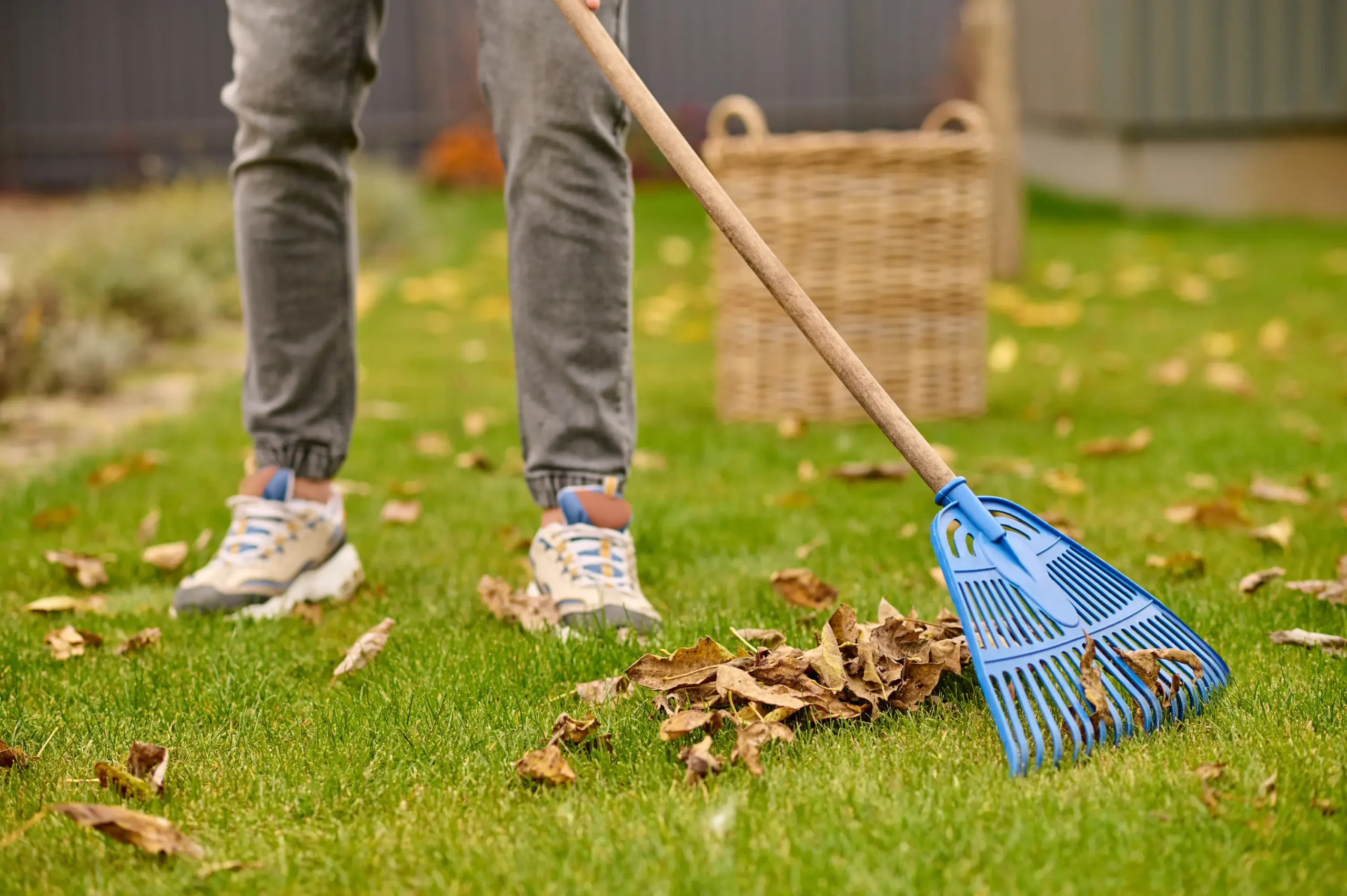
When you get artificial turf, you want it to keep looking great for as many years as possible. The good news is that artificial grass needs only a fraction of the care a natural lawn does. But a little regular attention still goes a long way in helping it look better and last longer.
A quick weekly routine helps your turf look its best and stops small issues from turning into big ones.
The most important job is clearing off debris like leaves, twigs and other organic stuff that lands on the surface.
It’s easy to clear loose material off your artificial grass with a rake or a leaf blower. If you use a rake, pick one with plastic or rubber tines so you don’t damage the fibers.
Doing this once a week stops organic matter from breaking down on the turf, which can cause smells or stains over time.
Different messes call for different cleaning methods, so you get them clean without damaging the turf. For general dust and dirt, a quick rinse with the garden hose washes most of it right off.
Good-quality synthetic grass is pretty easy to clean because the fibers don’t stain easily. Pet waste is the one thing to deal with right away to avoid odors and bacteria.
Pick up solid waste quickly and rinse the spot with water. For smells that hang around, mix equal parts white vinegar and water, spray the area, then rinse. It’s a natural way to clean that won’t hurt the fibers, and it does a great job neutralizing odors.
A monthly deep clean keeps your artificial grass looking good and staying hygienic over the long run. It’s a bit more thorough than your weekly routine and catches spots that collect more dirt over time.
Start by hosing down the whole surface to clear away built-up dust and light debris. Pay extra attention to areas near trees or construction, where dust tends to settle more heavily. Then give the turf a good brush against the grain to lift the fibers and spread the infill evenly.
Want a full season-by-season plan? See our seasonal turf care tips.
California’s climate varies a lot, and temperature makes a difference. During heat waves, try to avoid heavy use in the hottest part of the day when the surface is warmest.
Modern turf is built to handle heat, but limiting use at peak hours helps protect the fibers over time. A quick rinse also cools it down fast. More tips in does artificial turf get hot?
Snow and ice are rare in most of California, but if you live up in the mountains, use a plastic shovel instead of a metal one to clear snow off your turf.
You can handle most turf care yourself, but sometimes a professional is worth it. Deep cleaning with specialized equipment can bring heavily soiled artificial grass back to like-new condition.
Pros have commercial-grade cleaners and equipment made for synthetic turf. A yearly professional inspection can also spot small issues before they turn into big problems. If you’re already seeing issues, here’s how to fix common artificial turf problems.
Keeping artificial grass clean doesn’t take much: clear debris weekly, deal with pet messes quickly, do a deeper clean once a month and get a pro check-up now and then. Stick with that, and your turf will stay fresh, green and inviting for years. For even more detail, check out our full artificial turf maintenance guide.

Lorem ipsum dolor sit amet, consectetur adipiscing elit, sed do eiusmod tempor incididunt ut labore et dolore magna aliqua…

February 12, 2025

February 12, 2025
April 10, 2025
April 21, 2025

April 28, 2025