
-
6258 Penfield Ave, Woodland Hills, CA 91367
6258 Penfield Ave, Woodland Hills, CA 91367
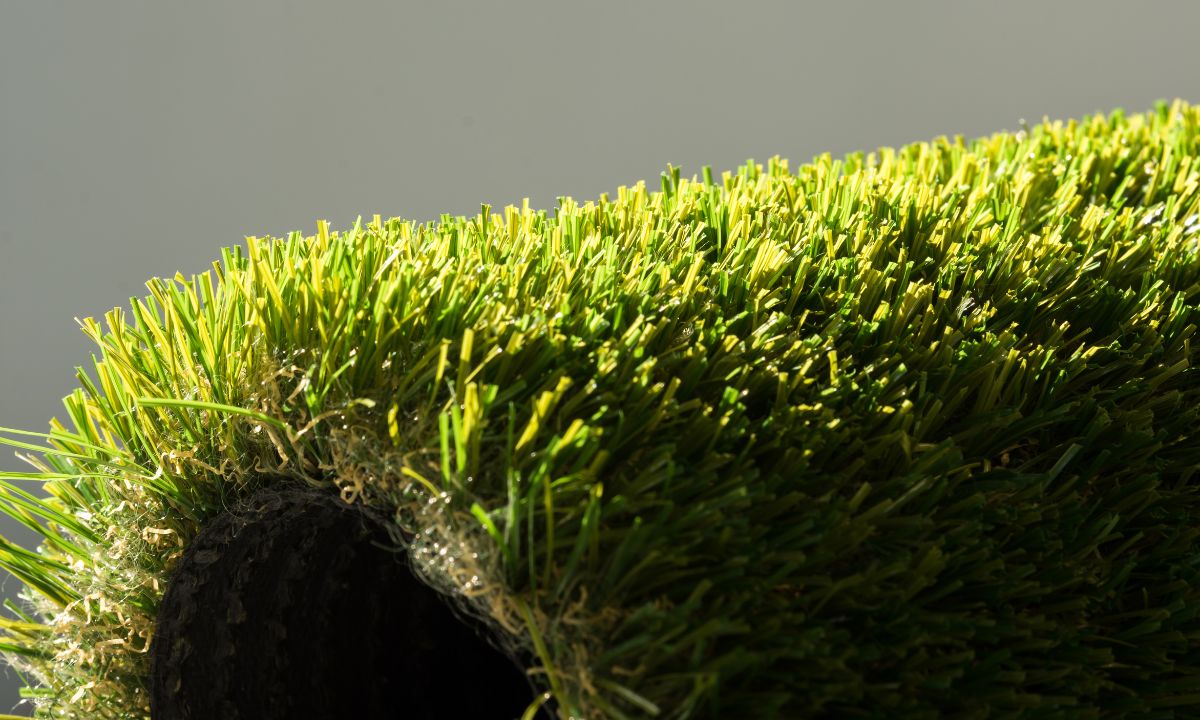
Want a lush, green lawn all year without the hassle? A quality artificial grass installation makes it pretty easy. Unlike real grass, which needs constant watering and care, a synthetic lawn stays looking great with very little effort. This guide walks you through year-round maintenance so your new lawn stays bright and lasts as long as possible.
No matter the time of year, leaves, twigs and dust will land on your turf. A quick pass with a leaf blower or plastic rake keeps it looking clean. Ideally, clear it about once a week so nothing mats down or leaves discolored patches.
Turf blades can flatten over time, especially in busy areas or after cleaning. Brushing with a stiff, synthetic-bristle brush stands them back up and keeps the surface even. Aim for once a month, and more often in high-use spots like play areas or pet zones.
For everyday dust and light dirt, a quick rinse with the hose is all you need. For tougher spots like spilled food, mud or pet mess, use water with a mild, turf-safe detergent. Rinse well afterward so no residue builds up. It really helps your turf last longer. For more cleaning tips, see the best ways to clean and maintain artificial grass at home.
Synthetic lawns are great for pets, but they need a bit of extra care. Pick up solid waste right away, then rinse the area. For odors, use a turf deodorizer or turf-safe disinfectant, then give it a light brush to fluff the fibers back up. With this simple routine, your lawn stays clean and fresh even with pets around.
Infill (like sand or rubber granules) keeps the turf stable and supports the blades. Over time, some of it can spread out or compact. Check it about every six months:
Your lawn’s drainage system stops water from pooling during heavy rain or cleaning. Every so often, look for puddles or soggy spots. If you see any:
Here’s more on how the layers under your turf handle drainage.
A few simple habits help your lawn last longer:
These small steps go a long way in keeping your turf looking great.
Even if you’re great at DIY care, a pro inspection once a year is a smart idea. An expert can check:
It’s a small investment that keeps your lawn looking good and catches issues early. If something does come up, here’s how to fix common artificial turf problems.
A well-kept synthetic lawn gives you beauty, convenience and durability all year. Regular brushing, clearing debris, keeping an eye on infill and the odd professional check-up are all it takes to keep your lawn green, soft and inviting. Enjoy a great-looking yard all year, without the hassle of natural grass!

Lorem ipsum dolor sit amet, consectetur adipiscing elit, sed do eiusmod tempor incididunt ut labore et dolore magna aliqua…

February 12, 2025

February 12, 2025
April 10, 2025
April 21, 2025

April 28, 2025