
-
6258 Penfield Ave, Woodland Hills, CA 91367
6258 Penfield Ave, Woodland Hills, CA 91367

Landscaping plays a major role in the appearance, comfort, and value of a home. A well-designed yard can improve curb appeal, create relaxing outdoor spaces, and make a property more enjoyable for everyday living. However, many homeowners unintentionally make landscaping decisions that lead to higher maintenance, unnecessary expenses, or poor outdoor usability.
These mistakes often happen when planning is rushed or when homeowners rely on traditional landscaping methods that may not suit their climate or lifestyle. In many cases, modern landscaping solutions such as artificial turf can help address these issues while creating a cleaner and more efficient outdoor environment.
Understanding common landscaping mistakes can help homeowners make better choices and create a yard that remains attractive and functional for years.
One of the most common landscaping mistakes is installing a lawn that requires constant care. Natural grass often demands regular watering, mowing, fertilizing, and pest control to maintain a healthy appearance.
For busy homeowners, keeping up with these tasks can become time-consuming and costly. Over time, neglected lawns may develop patchy areas, weeds, or discoloration.
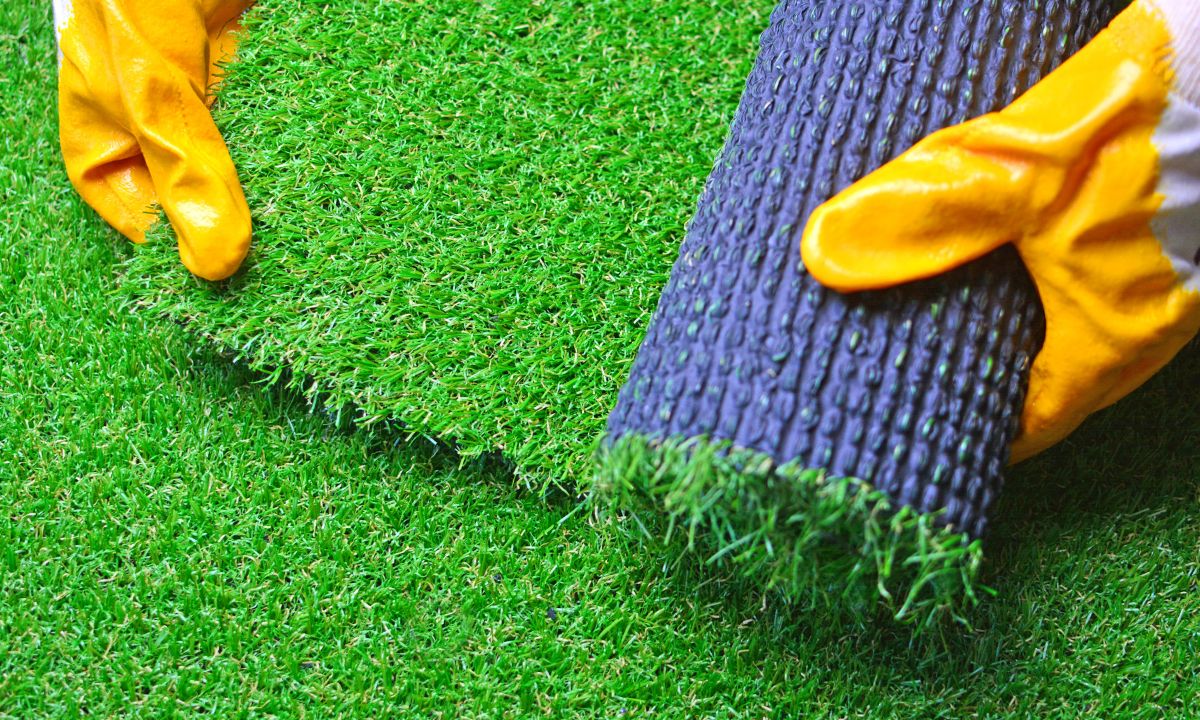
Artificial turf provides a practical alternative because it eliminates most lawn maintenance tasks. Once installed, synthetic grass maintains its green appearance without the need for mowing, watering, or fertilizing.
Another mistake many homeowners make is selecting landscaping solutions that do not match their local climate. In regions that experience hot summers or drought conditions, natural grass may struggle to survive without frequent irrigation.
Lawns that depend heavily on watering can become expensive to maintain, especially when water costs increase or restrictions are introduced.
Artificial turf works well in a wide range of climates because it does not depend on soil conditions or rainfall. It remains green throughout the year regardless of temperature changes or seasonal weather.
Drainage is one of the most overlooked aspects of landscape design. Without proper drainage, rainwater can collect in low areas of the yard and create puddles or muddy conditions.
Poor drainage can damage plants, weaken soil structure, and make outdoor spaces difficult to use after rainfall.
Artificial turf systems are typically installed with drainage layers that allow water to pass through quickly. This helps prevent standing water and keeps the surface usable even after heavy rain.
Many homeowners try to create a lush garden by adding too many plants or decorative elements. While greenery can enhance a yard’s beauty, overcrowding often leads to a cluttered appearance and increased maintenance.
Too many plants may also compete for sunlight, water, and nutrients, which can affect their growth and health.
Using artificial turf in certain areas of the yard can help balance the design. A clean green lawn area provides visual contrast while reducing the need for constant plant maintenance.
Some landscapes look attractive but are not designed for everyday use. For example, a yard may include large plant beds or uneven terrain that limits space for outdoor activities.
Homeowners may find that their outdoor area is difficult to use for gatherings, relaxation, or recreation.
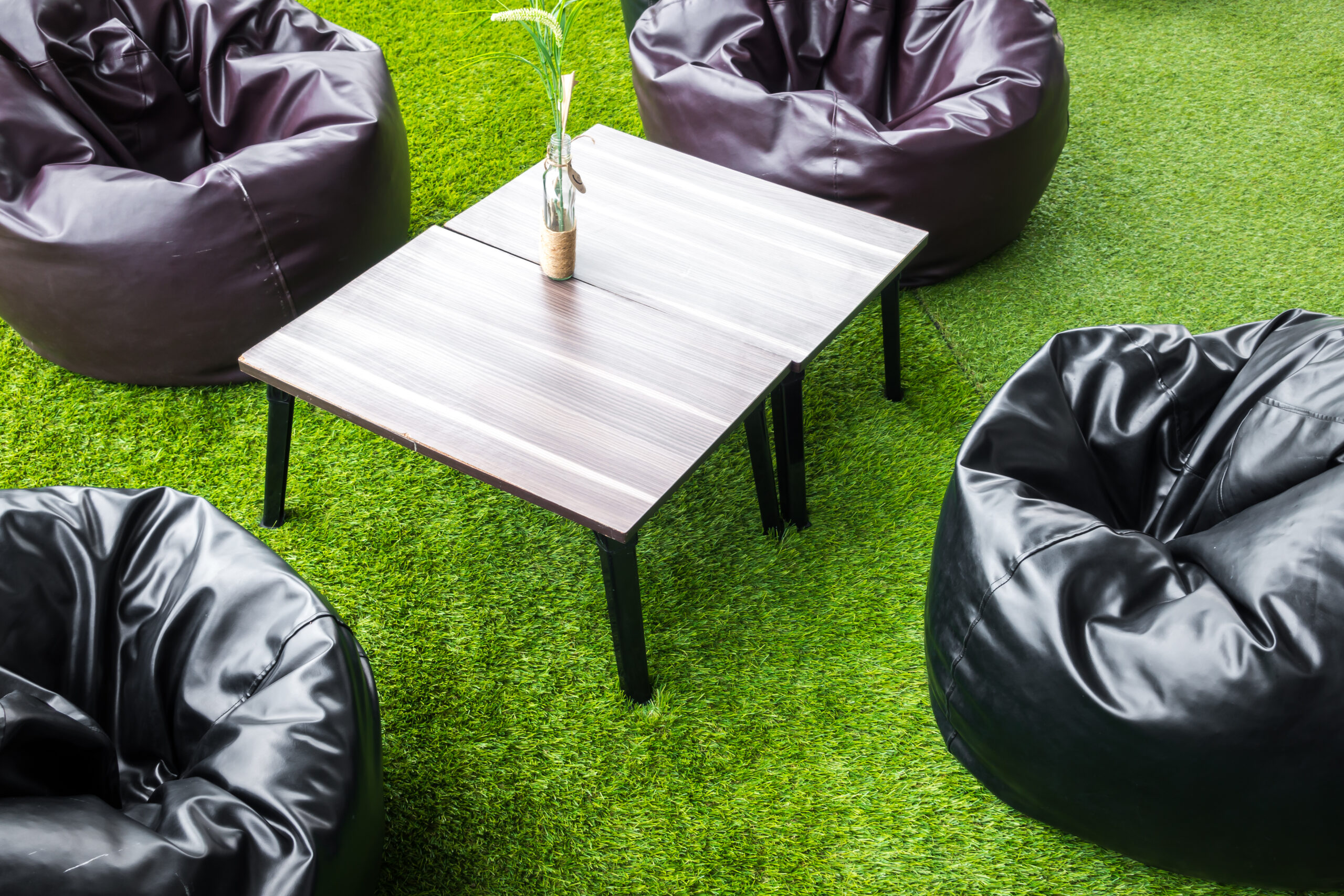
Artificial turf can help create functional spaces that are comfortable for walking, playing, or hosting events. Because the surface remains even and clean, it works well for outdoor living areas.
Many lawns develop worn paths where people frequently walk. These areas may become bare or muddy because natural grass cannot always recover from repeated foot traffic.
Over time, these worn areas can make the yard look uneven and poorly maintained.
Artificial turf is designed to handle heavy use without losing its appearance. It maintains its structure even in areas where people walk regularly, making it ideal for busy households.
Natural lawns often require fertilizers, pesticides, and herbicides to stay healthy and free of weeds. While these products may improve lawn appearance temporarily, they can increase maintenance costs and introduce chemicals into the environment.
Artificial turf eliminates the need for these treatments because it does not grow weeds or attract many common lawn pests.
This reduces the amount of chemical use in the yard and creates a cleaner outdoor environment.
When planning a yard, many homeowners focus only on the initial cost of installation. However, landscaping expenses continue over time through watering, lawn care equipment, fertilizers, and maintenance services.
These long-term costs can eventually exceed the original investment.
Artificial turf may have a higher upfront installation cost, but it often reduces ongoing expenses. Without the need for irrigation or regular lawn care, homeowners can save both time and money over the lifespan of the turf.
Avoiding these common mistakes can help homeowners design a landscape that is both attractive and practical.
Artificial turf can play an important role in modern landscape design by providing a durable, low-maintenance lawn area that complements other elements such as gardens, patios, and walkways.
By combining thoughtful planning with efficient landscaping solutions, homeowners can create outdoor spaces that remain beautiful and functional for many years.
Frequently Asked Questions
What is the most common landscaping mistake homeowners make?
One of the most common mistakes is installing high-maintenance lawns without considering the time and resources required for upkeep.
Can artificial turf improve yard drainage?
Yes. Artificial turf systems are installed with drainage layers that allow water to pass through the surface and prevent puddles.
Does artificial turf require fertilizers or pesticides?
No. Artificial grass does not require fertilizers, herbicides, or pesticides to maintain its appearance.
Is artificial turf suitable for high-traffic areas?
Yes. Artificial turf is designed to handle frequent use and maintain its shape even in busy outdoor spaces.
Can artificial turf be combined with plants and other landscaping elements?
Yes. Artificial turf can complement gardens, patios, and walkways to create a balanced landscape design.

Lorem ipsum dolor sit amet, consectetur adipiscing elit, sed do eiusmod tempor incididunt ut labore et dolore magna aliqua…

February 12, 2025

February 12, 2025
April 10, 2025
April 21, 2025

April 28, 2025