
-
6258 Penfield Ave, Woodland Hills, CA 91367
6258 Penfield Ave, Woodland Hills, CA 91367

When people think about artificial turf, they usually focus on how the grass looks on top.
But the real performance of artificial turf depends on what’s underneath it.
In California’s varied climate coastal moisture, Central Valley heat, and occasional heavy rain proper turf layering is not optional. It’s what determines how long your turf lasts, how well it drains, and whether it stays smooth or starts failing within a few years.
This guide breaks down each layer beneath artificial turf and explains why every step matters.
Think of artificial turf like a building:
The turf fibers are the roof
The layers underneath are the foundation
If the foundation is weak, even the best turf will fail.
Below is what a properly installed artificial turf system looks like—layer by layer.
What it is:
A compacted base made from crushed stone or decomposed granite.
Why it matters:
This layer:
Supports the weight of foot traffic and furniture
Prevents sinking, shifting, and uneven spots
Keeps the turf surface level for years
If done wrong:
Turf develops dips and wrinkles
Puddles form after rain
Edges lift over time
✔ Proper base preparation is the number one factor in turf durability.
What it is:
A permeable base that allows water to move away from the turf quickly.
Why it matters in California:
Even during drought years, California can experience:
Heavy winter rains
Sudden downpours
Overwatering from irrigation systems
Good drainage:
Prevents water pooling
Stops odor buildup
Protects turf backing from moisture damage
Poor drainage leads to:
Standing water
Mud below the turf
Faster material breakdown
What it is:
A fabric layer placed between the soil and the base.
What it does:
Blocks weed growth from below
Prevents roots from pushing through the turf
Reduces long-term maintenance
Common mistake:
Skipping the weed barrier to save time or cost—this almost always leads to weed problems later, especially in warm regions.
What it is:
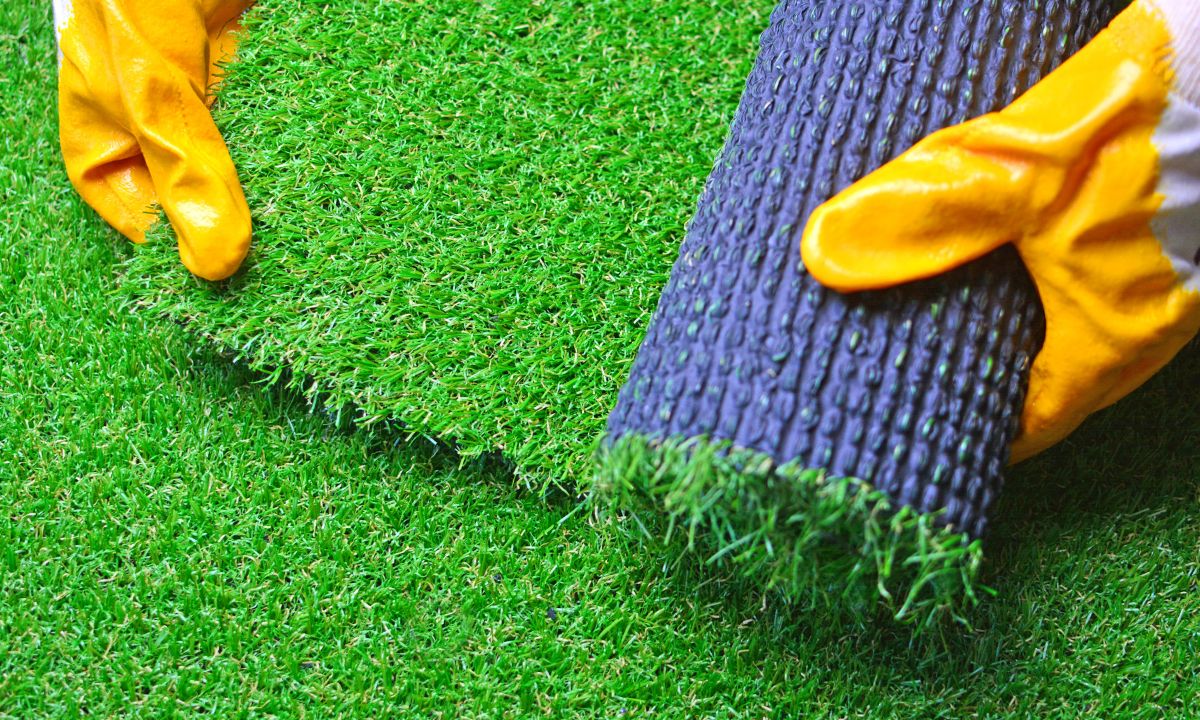
The underside of the turf that holds the grass fibers in place.
Why it matters:
Quality backing:
Allows proper drainage
Resists cracking from heat
Holds seams securely
In high-temperature areas like Los Angeles and the Central Valley, low-quality backing can fail faster without proper support layers.
What it is:
Material brushed into the turf fibers after installation.
Infill types include:
Silica sand
Acrylic-coated sand
Cooling or specialty infill
Why infill matters:
Keeps turf blades standing upright
Adds weight and stability
Improves drainage
Can help reduce surface heat
Wrong infill =
Flattened grass
Excess heat
Reduced lifespan
When all layers work together, artificial turf:
Drains water efficiently
Handles heavy foot traffic
Stays smooth and level
Lasts 10–15 years or more
When even one layer is skipped or poorly installed, problems usually appear within the first 12–24 months.
✔ Compacted base
✔ Effective drainage system
✔ Weed barrier installed
✔ Quality turf backing
✔ Correct infill selection
Miss one and performance drops fast.
Many turf blogs focus on:
Grass height
Color
Visual appeal
Very few explain what actually keeps turf functional long-term.
That’s why understanding turf layers gives homeowners, businesses, and property managers a real advantage when choosing artificial turf solutions.
Artificial turf success doesn’t start with the grass—it starts below it.
If you’re investing in artificial turf in California, make sure the installation focuses on proper layering, drainage, and base preparation, not just appearance. A well-built foundation means fewer repairs, better performance, and years of worry-free use.
This approach is a core principle behind every professional installation at artificialturfcalifornia.com.
Lorem ipsum dolor sit amet, consectetur adipiscing elit, sed do eiusmod tempor incididunt ut labore et dolore magna aliqua…

February 12, 2025

February 12, 2025
April 10, 2025
April 21, 2025

April 28, 2025